Adequate Hydration: Before, during, and after sickness, adequate hydration plays an important part in keeping your body’s systems working efficiently, including your immune system. Mild dehydration can cause headaches, dizziness, or digestive problems, and affect your mood, memory, and how well you process information.
Examples of fluids to utilize: water, seltzer water, electrolyte drinks, tea, bone broth, 100% fruit juice (keep it to 1/2 cup), ginger ale, etc.
Easy to Digest and Nutrient Dense Foods: Foods include either protein, easy to digest fibers, antioxidants, milder flavors. Keep it simple with these:
Protein: chicken, white fish, shrimp, ground turkey, eggs, peanut or almond butter, protein powder, hard cheese, yogurt, ground flax or chia seeds
3. Other important reminders: Focus on sleep and rest first and foremost. Instead of working out, focus on stretching and gentle movement such as taking a walk or yoga. Relax with an epsom salt bath, a massage, meditation, prayer, breath work, or using a face roller.
To learn more about my nutrition services and to schedule a discovery call, check out the services tab on my website: https://kupernutrition.com/services/
A nutrient dense meal is one that is mostly full of beneficial nutrients in proportion to its energy content and/or amount of total food content. Beneficial nutrients are vitamins, minerals, protein, healthy fats, complex carbohydrates. A nutrient dense meal is low in sugars and unhealthy fats.
An easy to digest meal typically utilizes a variety of foods with beneficial nutrients and is easy to break down and absorb those nutrients without causing excess gut symptoms. Sometimes it’s achieved by modifying how the food is prepared such as cooking vegetables verses eating them raw or shredding or grinding lean meats instead of whole cuts or blending fruit in a smoothie instead of eating them whole. Easy to digest foods differ from person to person, but in general they may be foods that have certain types and amounts of fibers, fats, or proteins that are easier to break down. Check out the nutrient dense and easy to digest meals below!
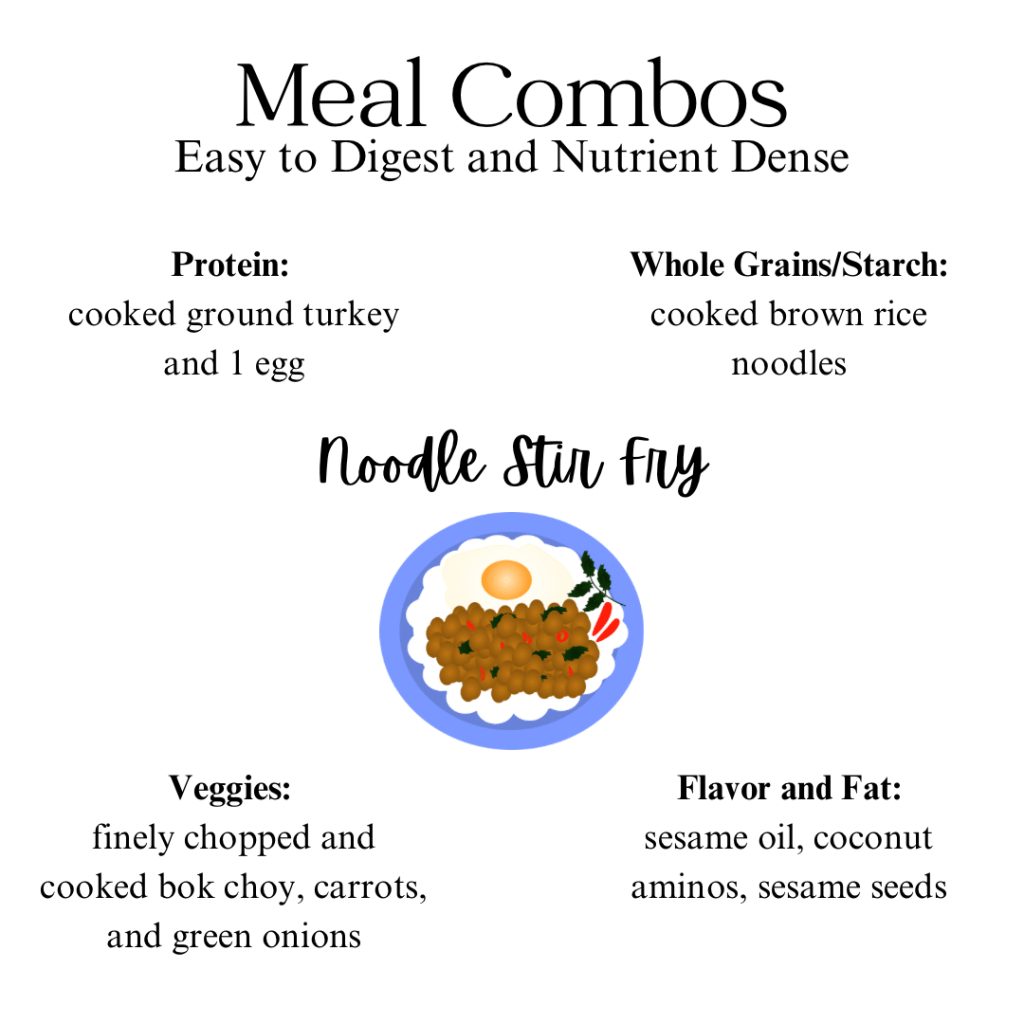
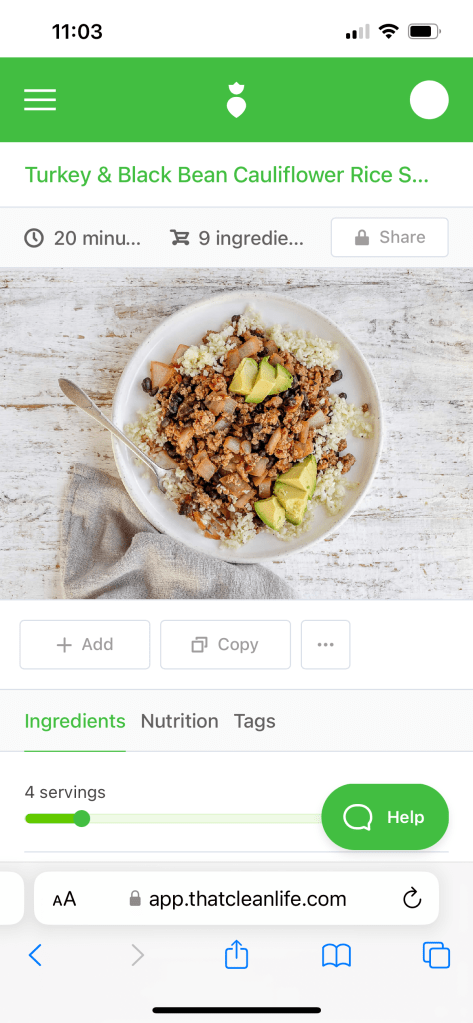
Meal Combination #1: Noodle Stir Fry
Use 1 skillet and 1 small pot. Start cooking the meat first until most pink is gone. Add the veggies and continue to cook until meat is cooked through and veggies are soft. Last cook the egg and toss all together with seasonings. Brown rice noodles cook within 5 minutes. Enjoy!
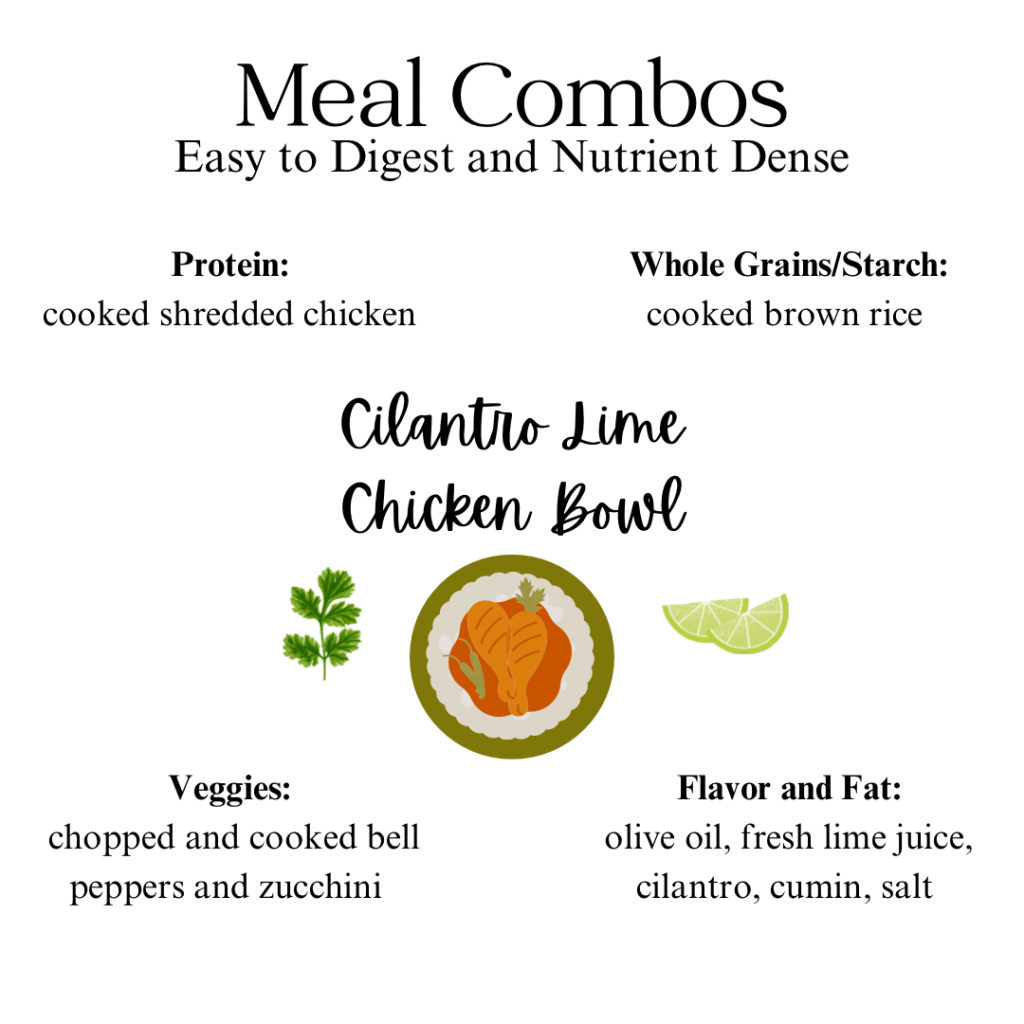
Meal Combination #2: Cilantro Lime Chicken Bowl
A few tips: Use leftover chicken, maybe a batch you prepared in the crockpot or a rotisserie chicken. Cook a larger batch of brown rice for the week and utilize leftovers. Cooked and cooled rice is a resistant starch which feeds your good gut bacteria. If you have GI symptoms, chop the veggies well, cook until soft, and chew really well. Don’t skip the olive oil, lime juice, cilantro, salt, cumin. Makes it so tasty + more health benefits.
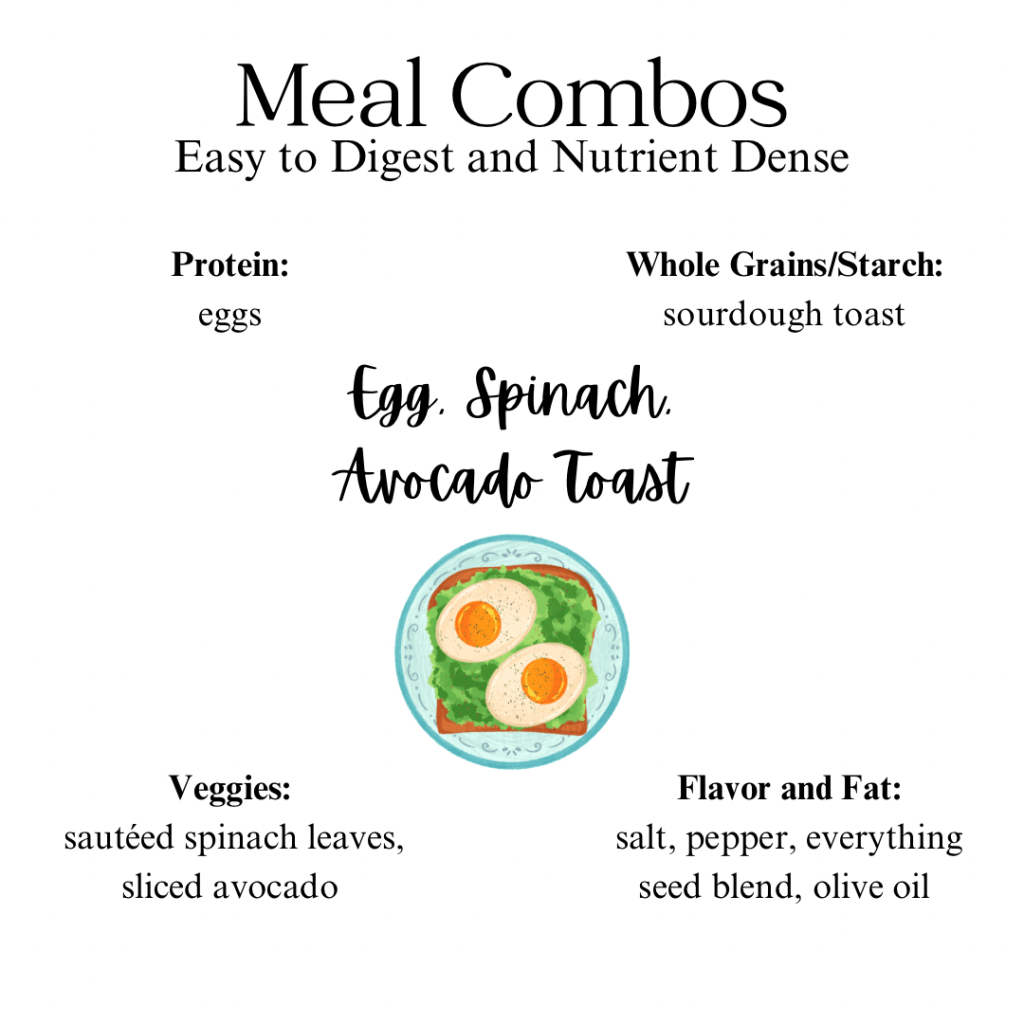
Meal Combination #3: Egg Spinach Avocado Toast
Toast sourdough bread and drizzle with extra virgin olive oil. Cook 1-2 eggs and spinach leaves in a small skillet with salt and pepper. Mash avocado onto toast and sprinkle with everything seed blend. Top toast with spinach and eggs and enjoy.
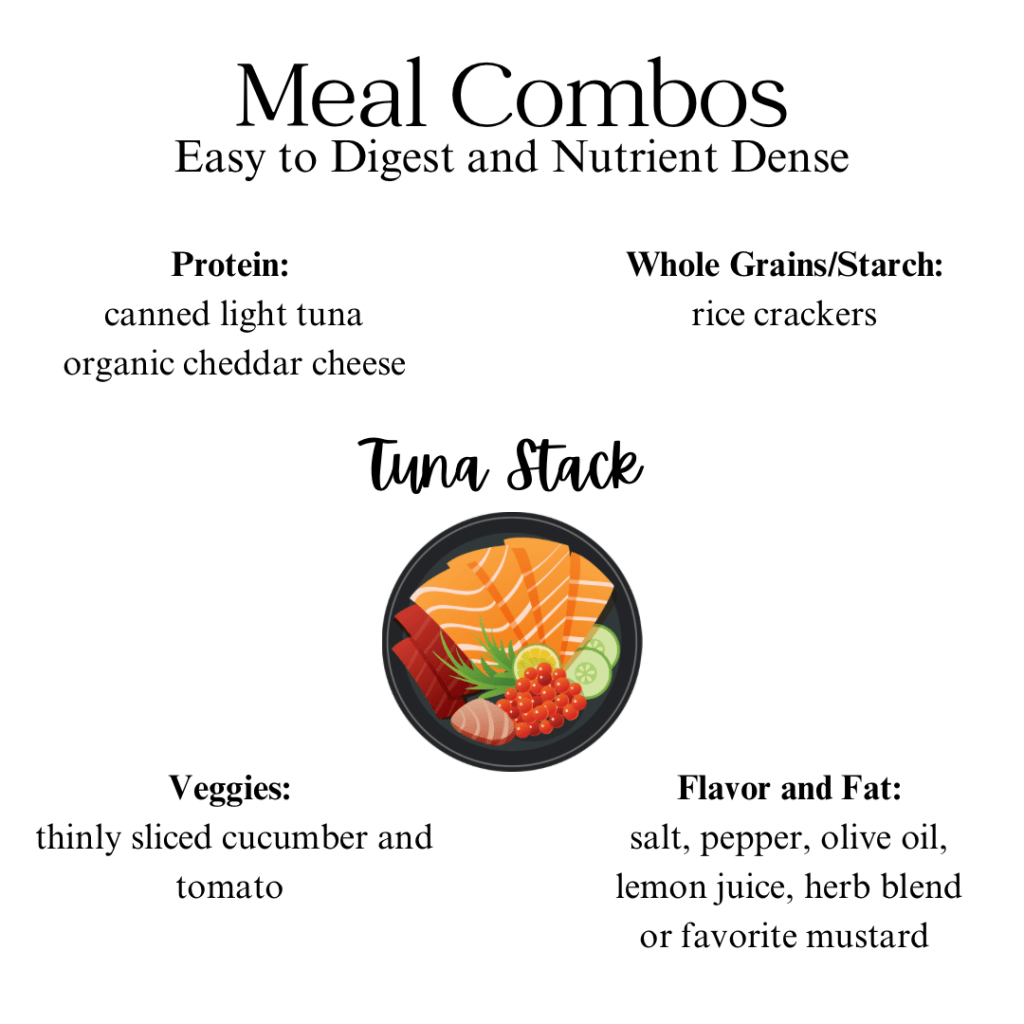
Meal Combination #4: Tuna Stack
Mix a good quality canned tuna (or salmon or sardines) with olive oil, lemon juice, salt and pepper and any dried or fresh herbs (or just mix with a favorite mustard for something simpler). Top on rice crackers and add thinly sliced cucumber and tomato. This is an easier to digest raw meal/snack option.
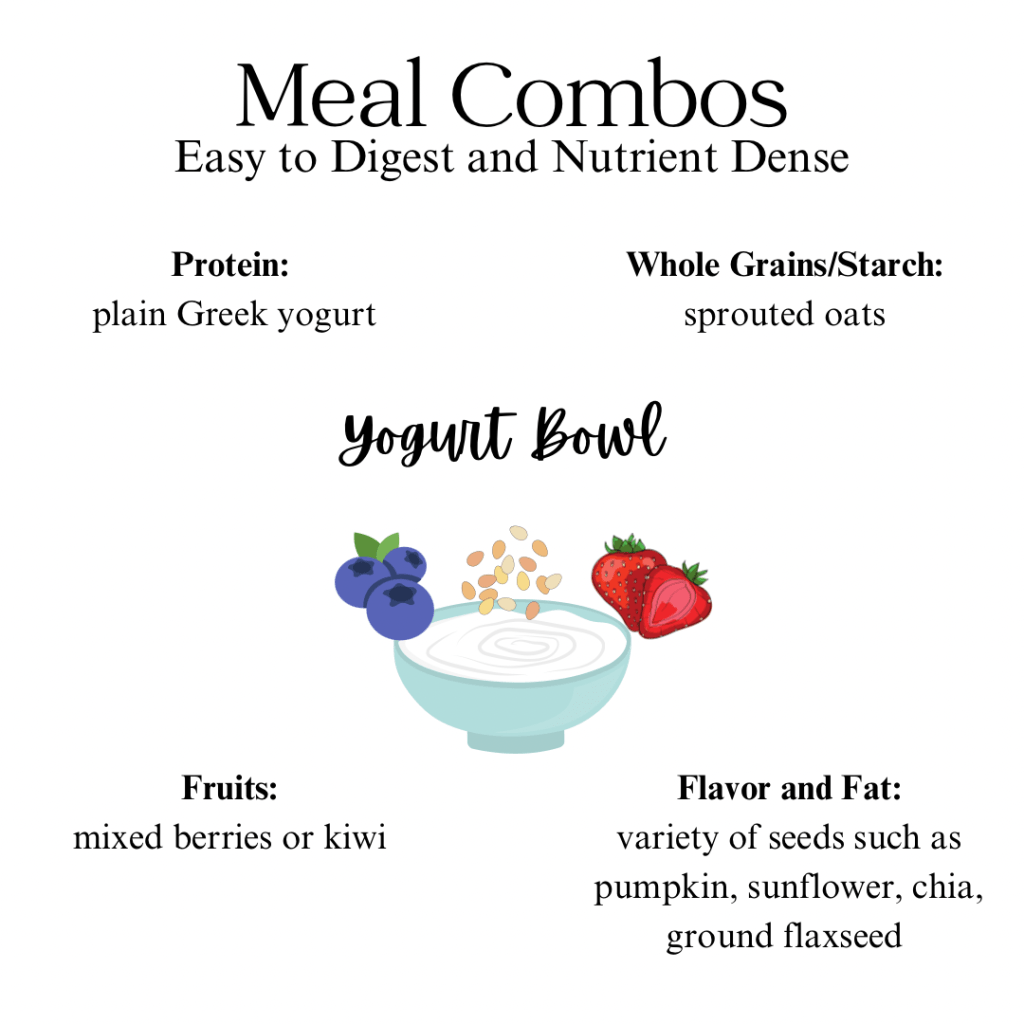
Meal Combination #5: Yogurt Bowl
Choose a plain Greek yogurt or if you need a dairy free option, something like plain coconut milk yogurt can work- just add some unflavored protein powder in. Mix in sprouted oats (this can be done the night before to soften or day of). Top with a variety of berries or kiwi. Sprinkle with seeds that work for you (blending in chia seeds or ground flaxseeds the night before is a good starting point.) Enjoy!
Meal Combination #6: Lentil Bowl
Enjoy as a bowl by layering cooked rice, lentils, and veggies- flavor with olive oil, broth, turmeric, salt, and pepper or turn into a soup with extra bone broth.
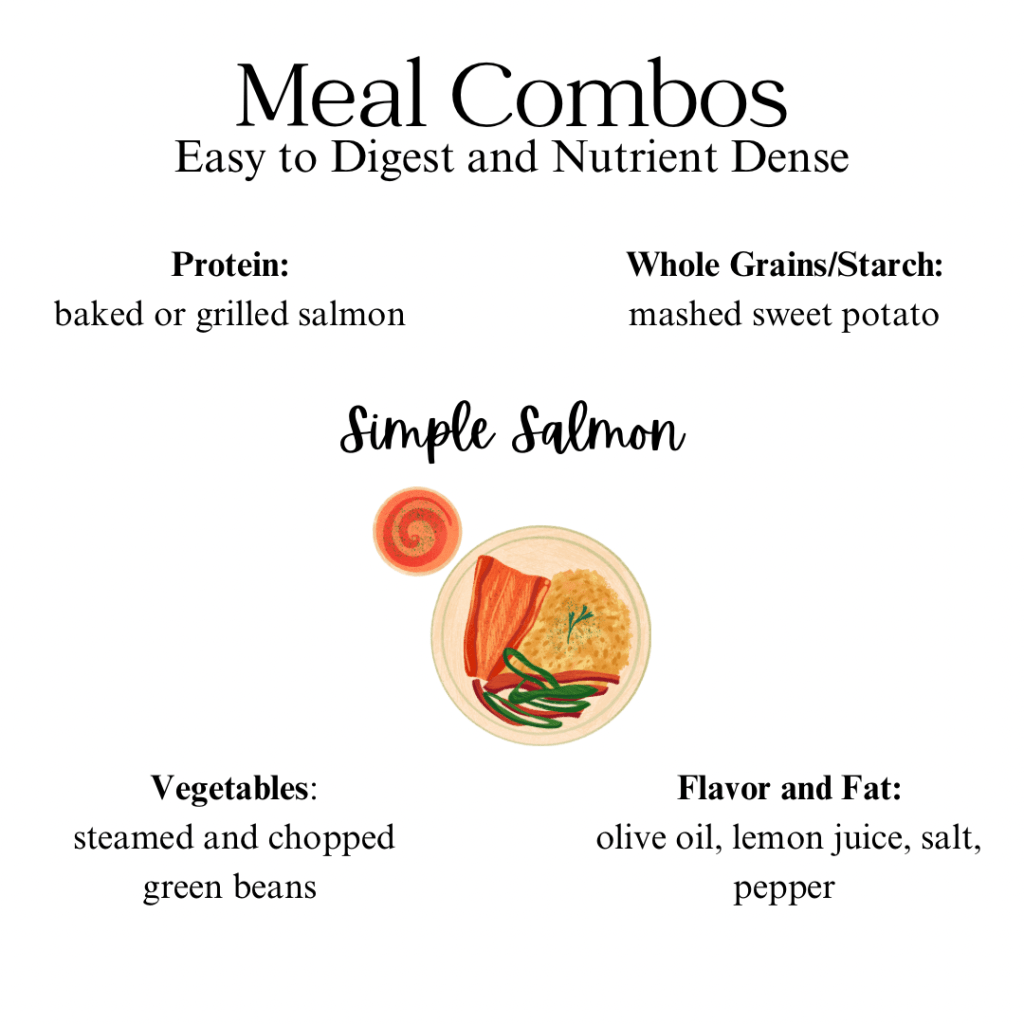
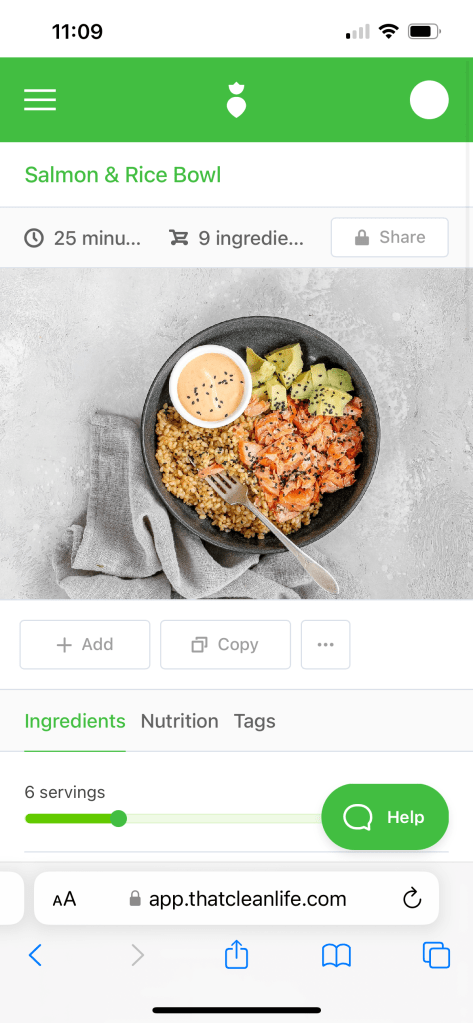
Meal Combination #7: Simple Salmon
Fish is a go-to protein source that is easy to digest for most people. Keep it simple by adding salt, a squeeze of lemon juice, and a drizzle of olive oil. Then bake or grill. Easy to digest and nutrient dense sides are mashed sweet potatoes and chopped and steamed green beans.
Depending on your current gut health and/or GI condition, some of these ideas may work for you and some may need extra modifications. Everyone has their own unique needs. None of my protocols for clients have ever been exactly the same! If you would like to learn more about my services for individual nutrition counseling, check out the services page on this site or email me at chelsey@kupernutrition.com.
Gastroparesis is a chronic disorder characterized by delayed stomach emptying, causing a wide range of symptoms. Some of the symptoms include: nausea, vomiting, upper abdominal pain, early fullness, and bloating.
Some possible nutrition related effects include: vitamin/mineral deficiencies, dehydration, electrolyte imbalances, and weight loss or weight gain.
Maybe you have been given the diagnosis of gastroparesis or maybe you have some of the symptoms above and are still in the process of testing or no known cause has been found for your symptoms. Either way, read below for some tips about having a conversation with your doctor and a start to easing the upper GI symptoms.
Possible Underlying Factors for Gastroparesis and Alternative Diagnoses for GP-Like Symptoms
Diabetes Mellitus
Medication Side Effect
Mechanical Obstruction
Post- Infectious
Post- Surgical
Full Gut Motility Disorder
Vagal Nerve Injury
Disorder of Gut Brain Interaction
Disordered Eating
Stomach Ulcer
Endocrinopathy/Hormone Problem
SIBO- Small Intestinal Bacterial Overgrowth
GERD or Stomach Acid Imbalances
Idiopathic- Other Unknown Reasons
If you have been diagnosed with gastroparesis or have gastroparesis-like symptoms or functional dyspepsia and haven’t had the discussion of possible underlying causes or alternative diagnoses with your doctor, this is a great list to bring to them to start the discussion. Some of these have different but effective treatments that can improve gastroparesis or GP-like symptoms.
A Few Tips To Get You Started with Easing Upper GI Symptoms
Eat consistent meals and snacks spaced 3-4 hours apart. 3-4 hours allows the stomach to empty and the migrating motor complex to do its work with clean up. Waiting too long to eat can increase nausea and lead to inadequate nutrient intake.
Hydrate adequately. Even slight dehydration can lead to nausea and fatigue. Drink fluids between meals and keep fluid intake at meals small to leave room for food. Electrolyte beverages may offer additional benefits, check with your doctor or dietitian.
Ginger: can help with reduction in nausea and upper GI pain and symptoms. Ginger is available in many forms such as tea, chews, fresh used in cooking, and supplements. More large controlled clinical studies are needed for specific recommendations.
Check out this book: Eating for Gastroparesis, Guidelines, Tips, & Recipes by Crystal Saltrelli (2023 updated version).
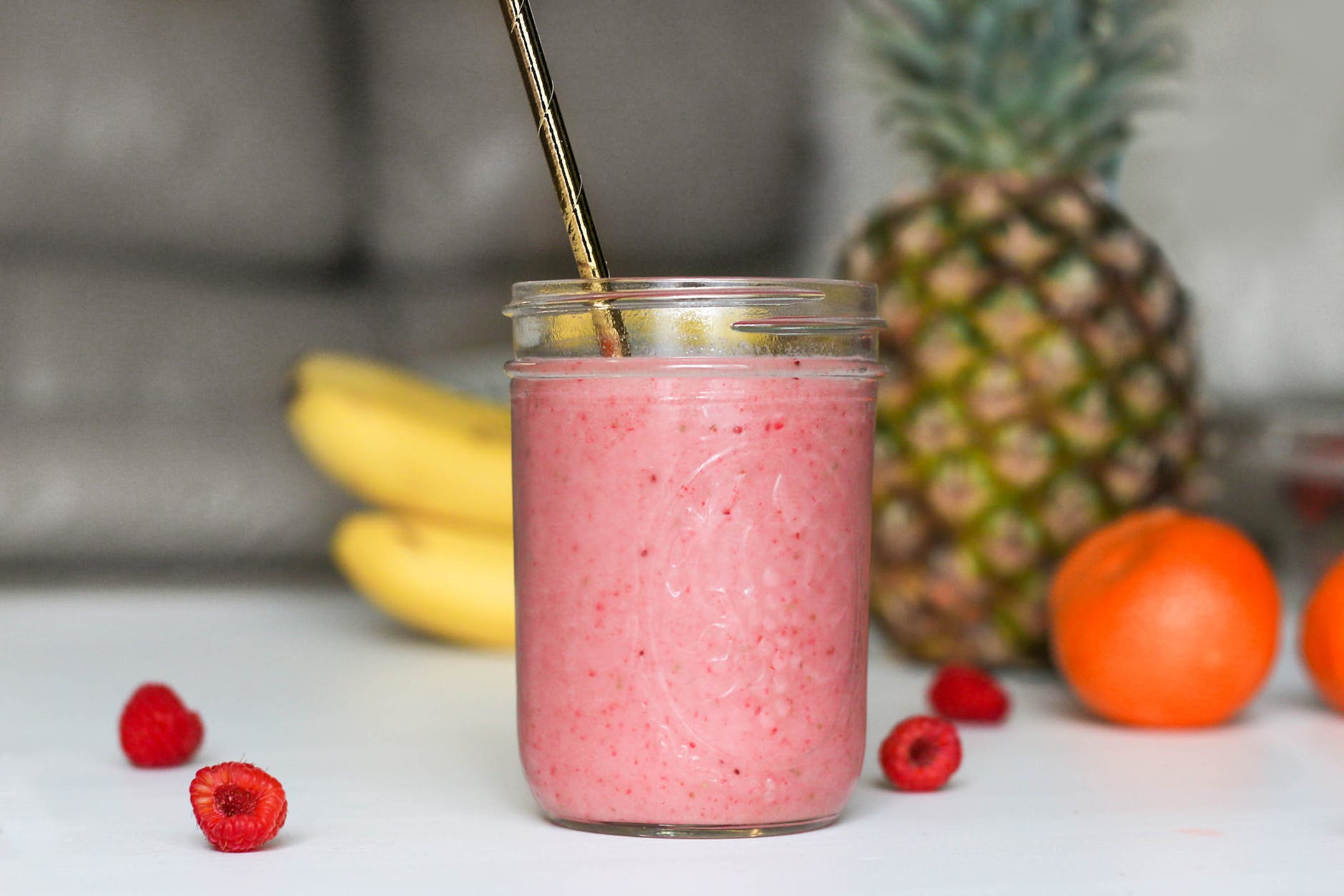
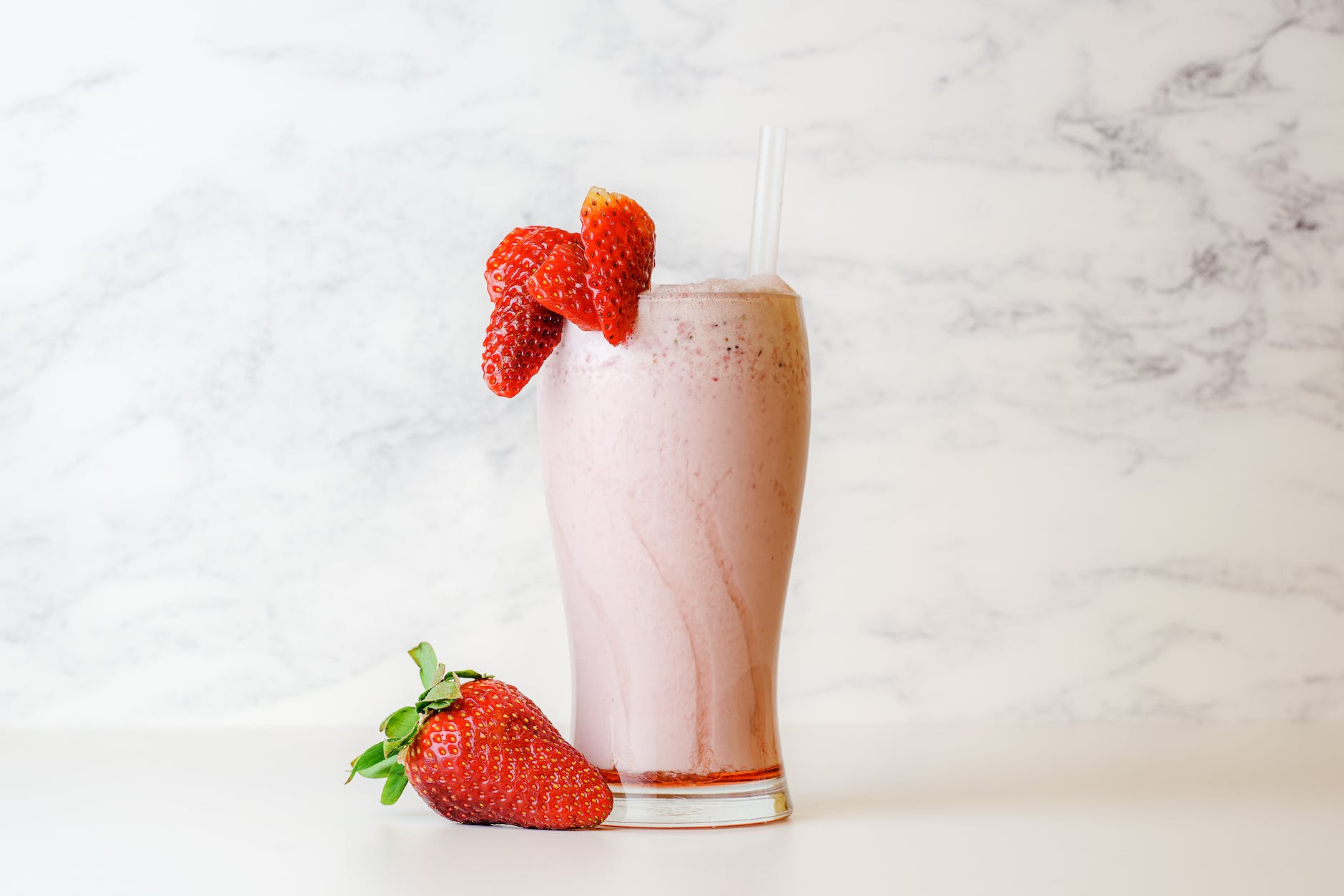
Build a Smoothie for Gastroparesis:
Step 1: Pick your fruit (select 2 or double the amount of 1)
½ banana, frozen
¼ cup frozen blueberries
4 frozen strawberries
½ cup frozen peaches
Step 2: Add a protein
2 Tbsp. PB2 powder or 1 Tbsp. smooth peanut butter
4oz. plain Greek yogurt
4oz. plain low fat kefir
1 serving whey protein isolate powder or collagen powder (unflavored)
Step 3: Add a veggie
small handful of spinach leaves
1/4 cup frozen riced veggie (cauliflower, broccoli, zucchini, carrots)
Step 4: Add a flavor enhancer
½ tsp. vanilla or almond extract
2 tsp. cocoa powder
1 tsp. cinnamon
1 tsp. pure maple syrup or honey
Step 5: Blend it together with a creamy base
¼ – ½ cup milk of choice (cow, coconut, almond, lactose free)
Photo by Sebastian Coman Photography on Pexels.com
Managing and improving gastroparesis or gastroparesis-like symptoms is best done with a health care team that can provide individualized recommendations. Check out the Services tab or email me at chelsey@kupernutrition.com to learn more about how I can help you in your healing journey.
IBS affects 5-10% of the U.S. population. A simplified definition is that IBS is a group of symptoms that include abdominal pain and changes in bowel habits (diarrhea or constipation or both) lasting 3 months or more.
Symptoms that result in an IBS diagnosis must include:
abdominal pain
change in frequency of stool and/or consistency of stool (constipation or diarrhea).
Symptoms that may indicate something else is going on include:
blood in stool, vomiting, night time bowel movements, sudden onset of symptoms
IBS can be complicated… Many possible triggers… Many possible mediators. A blend of these will be unique to each individual. That means effective treatment will look different for each individual… A blend of various treatment/management options… A blend of various healthcare providers.
IBS can also be treated and managed effectively! Find your healthcare team for optimal results.
Gastroenterologist
Dietitian
Primary Care Provider
Psychiatrist
Biofeedback Therapist
Gut Directed Hypnotherapist
Physical Therapist
Trusted Family/Friend
You
You don’t need all of the mentioned providers, it may be 2-4. Start with your PCP or gastroenterologist; ask questions and go from there. As a Registered Dietitian Nutritionist who specializes in GI health, I help individuals navigate food choices, diets, meal and snack options, recipes, supplements, lifestyle tips and more to help with IBS. Learn more in the Services Tab on this website.
Did you know that IBS isn’t treated the same way for everyone? The best way to treat IBS is with an individualized approach and with a health care team! Look at all of the various treatment options:
FODMAP gentle diet
Low FODMAP 3 phase diet
Individualized diet modifications
Fiber modification
Supplements such as peppermint
Cognitive behavioral therapy
Gut directed hypnotherapy
Pharmacological options
Mindfulness based stress reduction
Other lifestyle modifications/ support
Lifestyle tips for IBS and IBS like symptoms…
Chew food well: ideally, chew to baby food consistency. Enzymes in your mouth already start breaking down carbohydrates and smaller particle size helps your stomach out too! This leads to decreased gas/bloating/pain and increased nutrient absorption.
Slow belly breaths with meals: take 3 slow belly breaths before, during, and after your meal to enter “rest and digest” mode.
Good quality/length of sleep: Ideally 7-9 hours. Support a good nights sleep by avoiding eating 2 hours before bed; keep the temperature controlled to what’s comfortable for you, cooler works great for many people; keep your room dark; avoid screens in your room; do something calming before bed like reading a book, do a sleep meditation, utilize lavender, or take a warm bath or shower.
Gentle exercise/movement: Take a leisurely walk after meals or gently dance to your favorite song. This can help decrease gas/bloating and aid the movement of food down through the rest of your digestive tract. Other ideas include yoga, tai chi, and stretching.
Meditation/stress reduction: Here are some of my favorite meditation apps: Simple Habit, Calm, Headspace, Smiling Mind. Mahana is a CBT app for IBS. Nerva is an IBS gut directed hypnosis app.
As a Registered Dietitian Nutritionist who specializes in GI health, I help individuals navigate food choices, diets, meal and snack options, recipes, supplements, lifestyle tips and more to help with IBS. Learn more in the Services Tab on this website. See below for easy meal ideas!
These are lower FODMAP “mini meals” incorporating a moderate amount of fiber with less gassy foods AND they are simple to prepare! Plus a few of my favorite recipes from Kate Scarlata.
Combine 1 cup plain cheerios with ½ cup blueberries, 2 Tbsp. chopped walnuts, and unsweetened vanilla almond milk in bowl.
Sauté 1 cup chopped veggies (such as zucchini, bell peppers, spinach leaves) in skillet. Set aside. Scramble 1-2 eggs in skillet. Toss veggies and eggs together, season with dried herbs, salt, and pepper, and sprinkle with 2 Tbsp. cheddar cheese. Enjoy with 1 slice of sourdough toast.
Constipation is uncomfortable. Symptoms such as bloating, cramping, excess gas, nausea, decreased appetite, fullness, heartburn, reflux and others related to the reabsorption of toxins that are trying to be eliminated can often be present with constipation. (Keep reading, there’s good news and a lot of great information and tools in this post!)
Constipation is a condition in which bowel movements are infrequent (fewer than 3 times per week, although it is ideal to have at least 1 bowel movement per day) and/or difficult to pass (hard/dry/lumpy stool, sense of incomplete emptying, straining to have a bowel movement). There are specific criteria that your doctor can use to make a diagnosis.
The estimated prevalence of constipation in North America is 12-19%. That’s a lot of people! There are many medical conditions and medications that can increase your risk of having constipation. If you struggle with constipation, I highly recommend you work with your healthcare team (or find a healthcare team)(doctor, gastroenterologist, dietitian, physical therapist, psychologist, chiropractor, etc.) to find the right treatment for you, because it can look different for each individual.
The great news is that you can experience improvement in and/or elimination of your constipation symptoms! This post will focus on the food, fluid, and lifestyle components that can help prevent/ease constipation. Let’s do this!
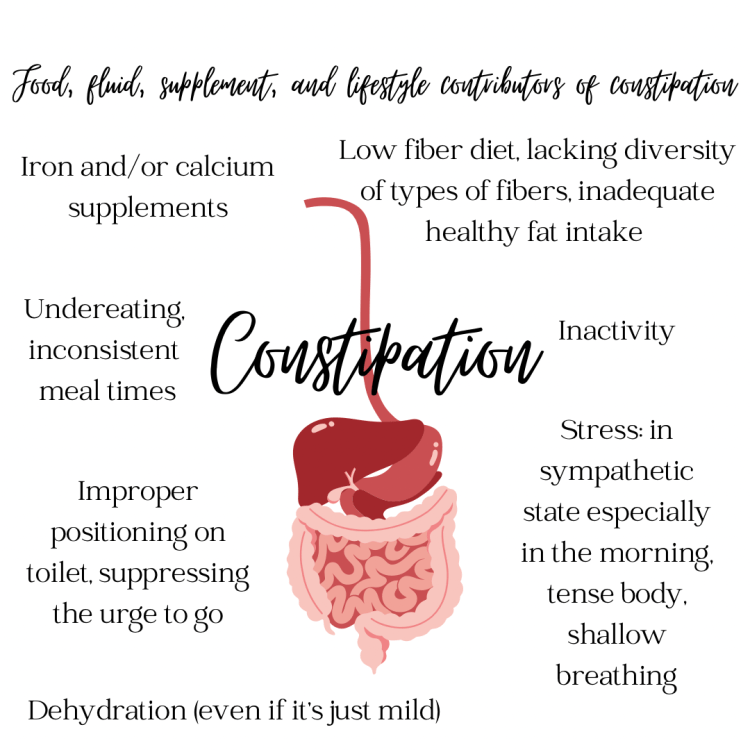
Some of the Food, Fluid, Supplement, and Lifestyle Contributors of Constipation
Low fiber diet (<20 grams per day) (fiber is essential to add bulk to stool)
Lacking diversity of types of fibers (a variety of fibers create a healthy gut environment and help support proper functioning)
Inadequate healthy fat intake (fat can help lubricate stool)
Under eating (could contribute to inadequate bulk and slowed movement throughout GI tract)
Inconsistent meal times (throws your body’s rhythm off; may miss the gastrocolic reflex)
Dehydration (even if its just mild)(your colon is great at pulling water out, with inadequate fluid intake, hard dry stool is formed and difficult to eliminate)
Iron and Calcium supplements (these don’t cause an issue for everyone; check with your doctor about dosing)
Inactivity (by moving (jostling the organs) we encourage movement of food down (gravity) through the GI tract.)
Stress (in a sympathetic state, especially in the morning, tense body, shallow breathing. Your body needs to be relaxed to have a bowel movement)
Improper positioning on toilet (When you sit at a 90 degree angle on the toilet, your puborectalis muscle which wraps around your rectum, seals it off; this can result in straining to have a bowel movement)
Suppressing the urge to go (If you don’t stop to take the time to go, you won’t go)
A nutrient poor, low diversity diet is linked to constipation. Below are nutrient dense foods that have research to support improvement in constipation for many individuals!
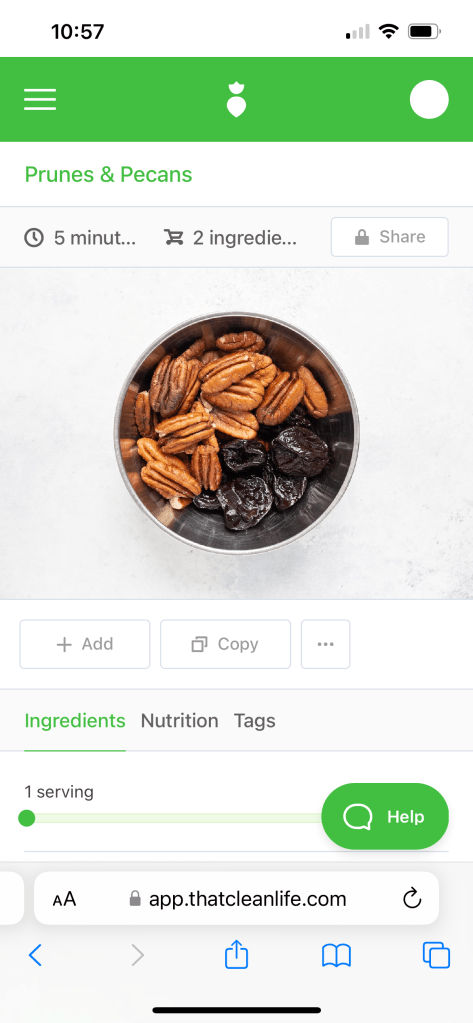
Prunes (dried plums): May need 2-6 prunes daily or 1/2 cup of prune juice to see effectiveness. Enjoy as is; chop and add to oatmeal, yogurt bowl or smoothies; add to protein ball recipe; dip into a nut butter.
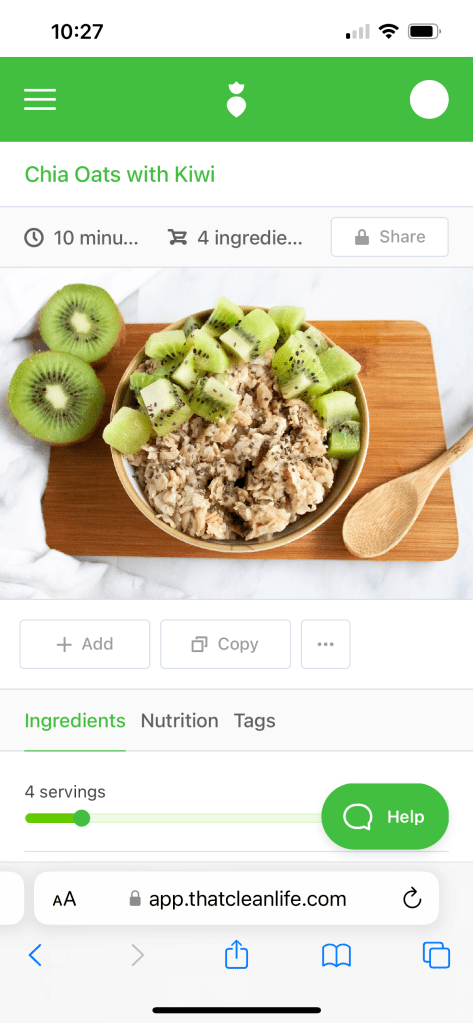
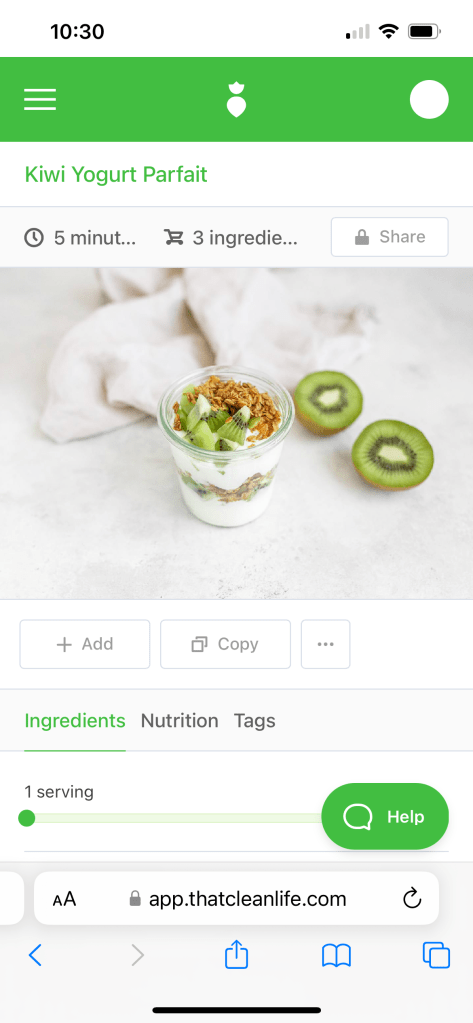
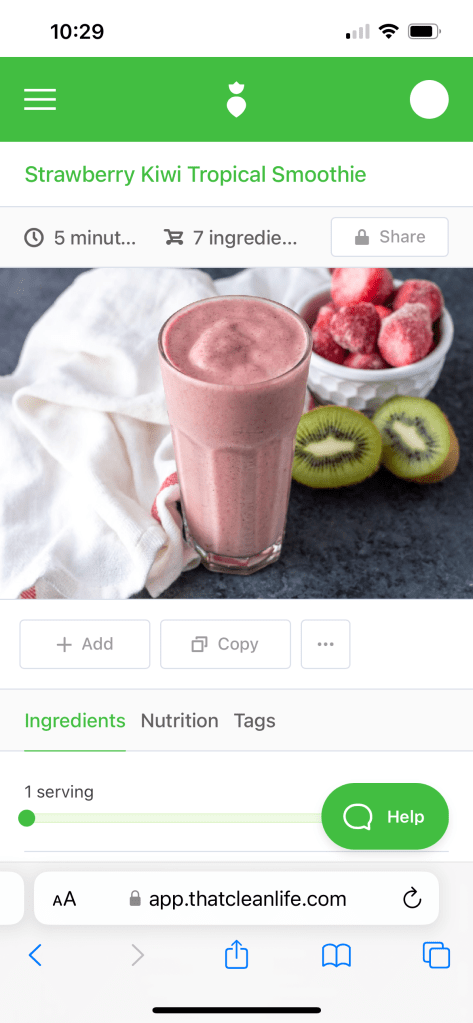
Kiwi: May need 2 small or 1 large daily to see effectiveness. Kiwis are nutrient packed: fiber, vitamin C, E, K; potassium; folate; phytochemicals. Enjoy as is (skin on or off)(sliced or scooped), add to yogurt bowl or smoothie, chop into a fruit salad.
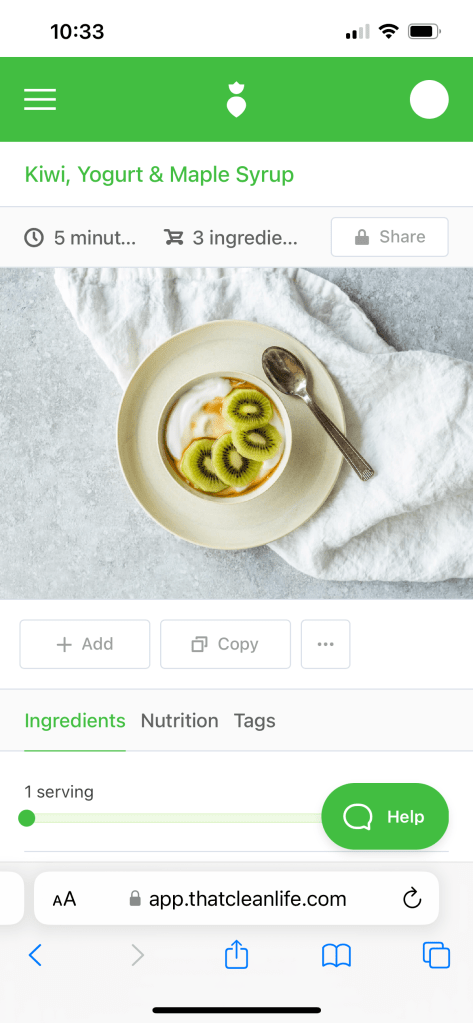
Yogurt: May need 1/2 to 1 cup per day for effectiveness. Make sure the yogurt has live active cultures including lactobacillus and Bifidobacterium. No to low sugar added options are best. Add your own fruit and nuts/seeds; use as a dip for fresh fruit slices; add to a smoothie; make yogurt freezer pops.
Olive oil: 1 tsp. per day may alleviate constipation by lubricating the colon and softening stool. Use with cooking; drizzle extra virgin olive oil over cooked veggies, a salad, soup, chicken or salmon.
Flaxseed/Chia seed: 1-3 tablespoons per day may help bulk stool and decrease transit time. (incorporate and increase slowly and add additional water.) Add to oatmeal, smoothies, yogurt, homemade muffins and bars or make chia pudding.
Broccoli Sprouts: One of the best sources sulforaphane, a phytochemical, and thought to protect the intestines from oxidative stress, improving constipation symptoms. Top on avocado toast, add to a wrap, or throw into a smoothie.
*Lot’s of meal and snack ideas to incorporate these foods below!
Fluid intake and dehydration have been linked with higher rates of constipation. For most individuals, an average fluid intake between 7-9 cups per day is adequate (needs vary based on the individual person, activity level, health status, etc.). Plus, check your urine. It should be clear to pale yellow.
Fluids and fiber work together. Fiber without adequate fluids won’t improve constipation. Extra fluids without adequate fiber won’t improve constipation. Fiber supplements (psyllium…) require an extra cup or two of fluids.
Types of beverages:
Water should contribute to most of your daily fluid intake.
Coffee (regular or decaf) can help stimulate a bowel movement due to several factors (partially due to caffeine effects; partially due to stimulation of gastrin which stimulates digestion; and then there is the gastrocolic reflex, especially in the morning.)
Warm water with lemon has some evidence but more research is needed. The effects may be due to hydration plus gastrocolic reflex.
Electrolyte beverage (has extra potassium, sodium, magnesium) Helps enhance the body’s hydration. Magnesium in particular plays a role in digestive functioning and muscle relaxation. Extra electrolytes aren’t for everyone though so check with your doctor and dietitian.
Meal timing and the gastrocolic reflex: The gastrocolic reflex is a physiological reflex that controls motility of the lower GI tract following a meal (mind/body communication to make room for more food). It’s most active in the morning (1-2 hours from waking) and shortly after meals. Making the daily routine of eating breakfast and using the toilet shortly after can be one tool to help improve your constipation.
Daily movement/exercise like walking can improve symptoms of constipation (jostling the organs can help speed intestinal transit time) plus has so many other health benefits. Start with just 10 minutes and work up from there.
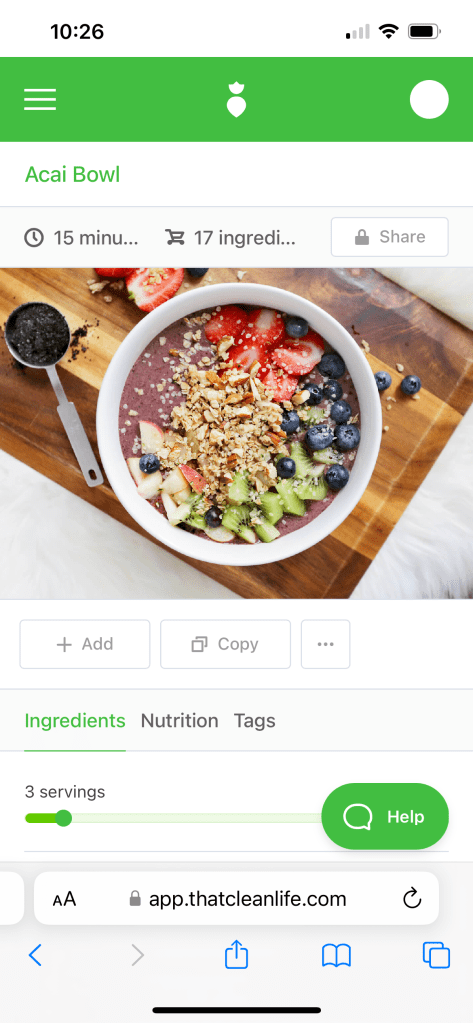
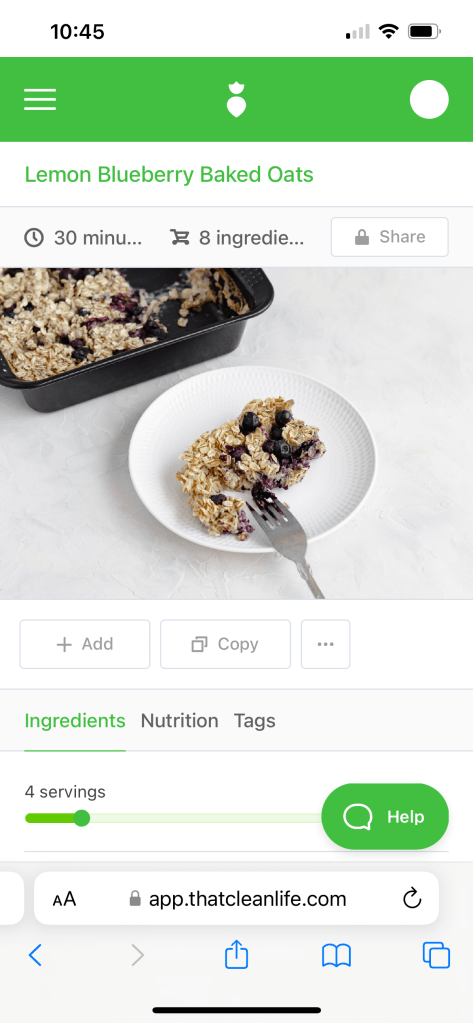
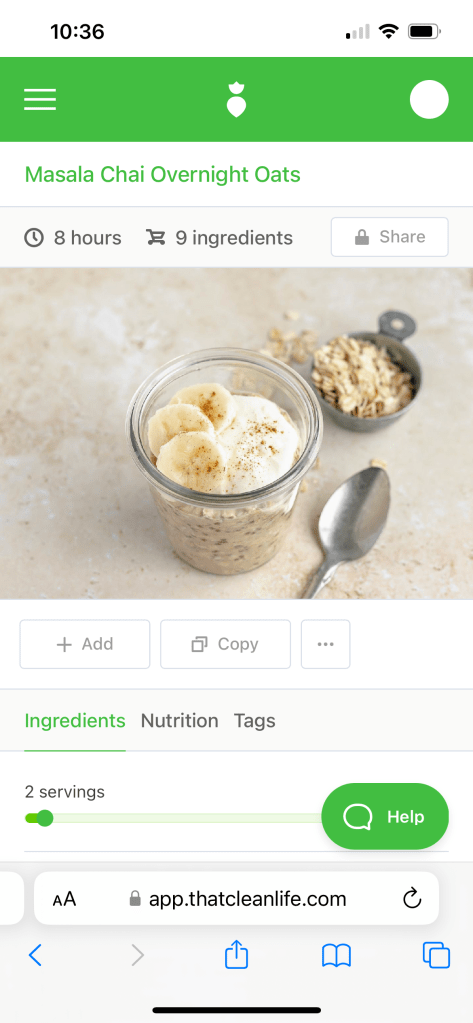
Below are some great visuals to help get you thinking of a diverse way to incorporate the recommended foods above for constipation. For access to all of the below recipes and more, send a request for “Improve Constipation Meal and Snack Ideas and Recipes” to my email: chelsey@kupernutrition.com or send a message to kupernutrition on Facebook or Instagram for FREE! Each recipe comes with detailed instructions and ingredients, nutrition facts, and tips and modifications. You will receive an email with a pdf version of all the recipes in 1 spot. The recipes I chose use few but powerful ingredients, are easy to make, and delicious. Share this post with someone else you know, so they can get access too!
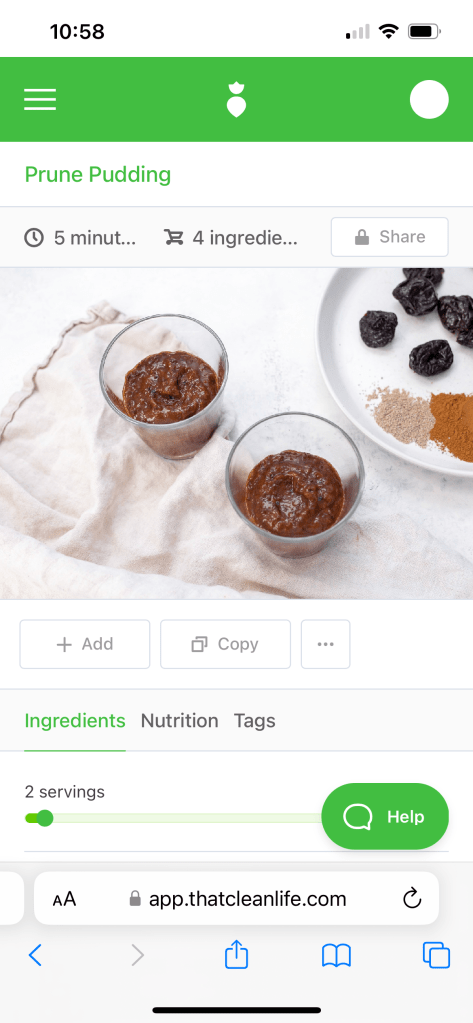
Check out the ideas below for a few simple ways to enjoy prunes!
Below are great ways to incorporate kiwi into your life!
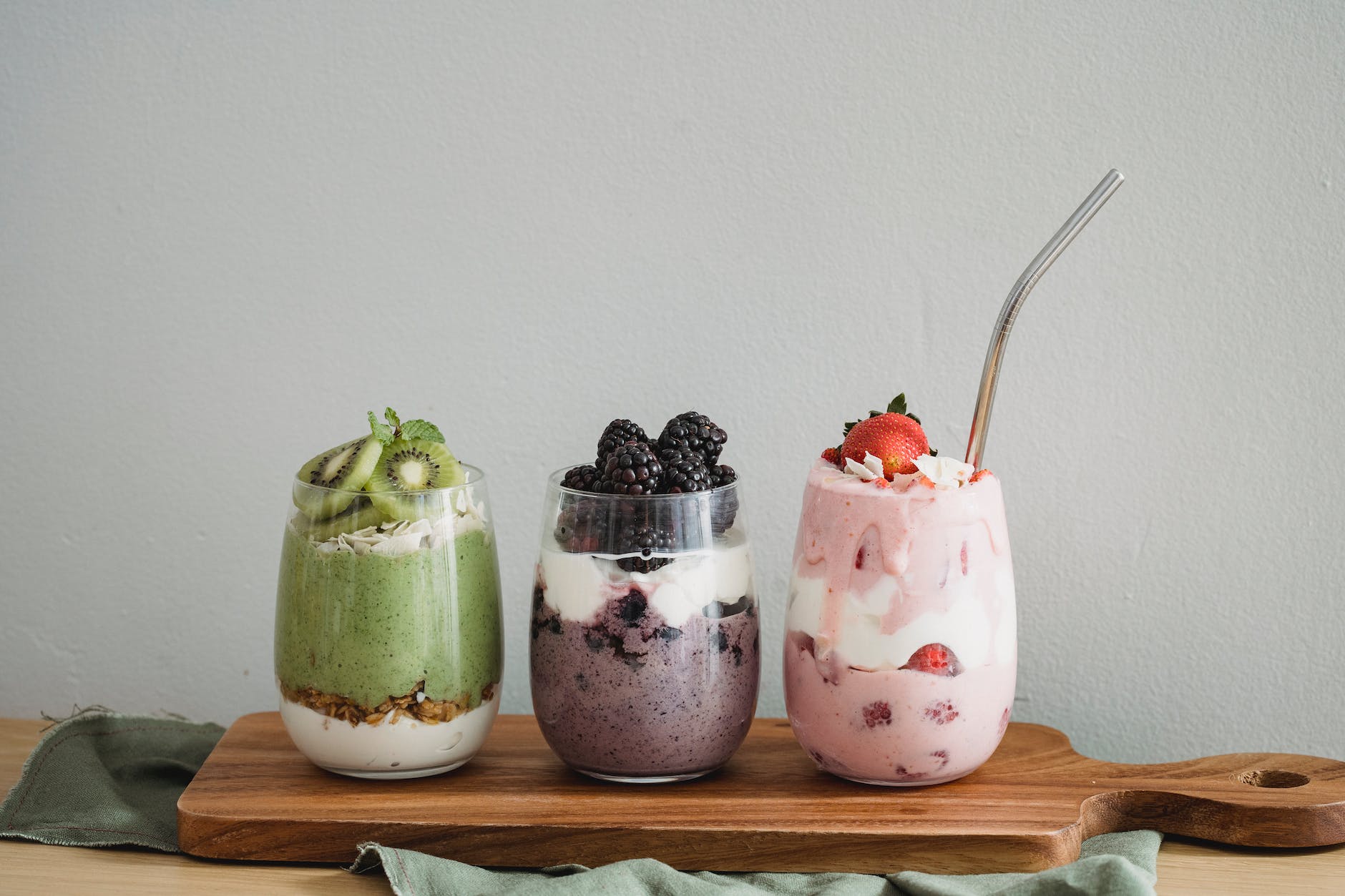
Additional yogurt, flax ,and chia ideas!
Healthy high fiber and protein rich meals to drizzle a little extra olive oil over!
A couple broccoli sprout ideas for you! (plus you can add to any smoothie!)
Be sure to subscribe below to receive my monthly blog posts! I am currently taking new clients for 1 on 1 nutrition consults for digestive health. You can learn more in the Services tab and request a discovery call here: https://my.practicebetter.io/#/617aaf103980330c9805d7de/bookings
Foundation: an underlying basis or principle (similar to: base, beginning, fundamentals, core, groundwork…)
Below are 7 foundations that support gut/digestive and overall health. If you are working on improving your digestive health, address these foundations first. You won’t be able to perfect them all and that is ok, but if one or more are a big issue for you, take the time to address and improve them before moving on to or at least during other therapies/recommendations.
It’s estimated that 1 in 6 Americans get food poisoning every year and that 1 out of 9 people who experience food poisoning go on to develop IBS (irritable bowel syndrome). You can help protect yourself and others from getting sick:
Clean: wash hands and surfaces often.
Separate: avoid cross contamination between raw meats/fish/eggs and other foods (use separate knives and cutting boards, wash hands…).
Cook: follow instructions and use a thermometer to cook to correct temperatures (I highly recommend using a thermometer for meats and fish. Not only does it make sure you don’t undercook, it helps you not overcook as well.).
Chill: refrigerate perishable foods promptly, usually within 2 hours or less. (think about lunch boxes, parties, picnics)
Studies show that consuming >30 different types of plants (vegetables, fruits, whole grains, legumes, nuts, seeds) throughout the week helps ensure microbial diversity in our gut and immune supportive phytochemicals in our system. Benefits include:
provides protective antioxidants
increases likelihood of meeting vitamin and mineral needs
supports optimal gut microbiome health
increases diversity in our own microbiome
can change the metabolites your microbiome produces
helps maintain integrity of the gut wall
increases SCFA (short chain fatty acid) production which lowers the pH of the intestines, inhibiting growth of pathogenic microbes
increases polyphenols which have positive effects on the microbiome
all of which can reduce your risk of chronic diseases (T2 diabetes, inflammatory bowel disease, rheumatoid arthritis, asthma, certain cancers)
Follow me on Instagram or Facebook @kupernutrition for plant diversity meal and snack ideas!
3. Move Your Body Throughout The Day:
Avoid sitting for long periods of time. Instead, practice standing up, stretching, walking, dancing, or other gentle movement every hour, even if it is just a few minutes each time. Gentle movement can help aid:
stomach emptying (gastroparesis)
bowel movement (constipation, bloating)
stress reduction (IBS)
and many more benefits!
Try out some yoga poses that can help aid digestion!
4. Support Your Circadian Rhythm with Consistent Sleep/Wake Times and Meal Times:
Support your circadian rhythm by getting consistent (as often as you can) good quality sleep (7-9 hours/night) between sunset and sunrise and eat at consistent meal times during the day = optimal digestive function!
Circadian rhythms are physical, mental, and behavioral changes that follow a 24 hour cycle. Responds primarily to light and dark but also to meal times!
Tips:
Go outside in morning sunlight 10 + minutes (in the winter try a light box).
Eat within an hour or two of waking; eat every 3-4 hours; stop eating 2-4 hours before bed.
A healthy circadian rhythm supports proper gut functions such as: motility, digestion, absorption, electrolyte balance, and cell proliferation.
5. Hydrate Well (+ electrolytes):
Mild dehydration (the absence of a sufficient amount of water in your body) is quite common. Your body’s natural response to dehydration is thirst. Drink enough fluids throughout the day so you don’t get thirsty and if you receive a thirst signal, hydrate quickly. Some mild/moderate symptoms of dehydration are:
headache
fatigue
dry mouth
nausea/decreased appetite
constipation
dark urine
… (and more)
Drink mostly water throughout the day (keep it available at all times). But here are some other fluids that can help you stay hydrated:
coconut water
tea
bone broth
milk/milk alternative
electrolyte enhanced water
Whether you are dealing with constipation, diarrhea, increased sweating, muscle cramps and soreness, increased stress, inflammation, or infection you may benefit from hydration with added electrolytes.
The most common added electrolytes in a packet or electrolyte drink are sodium, potassium, and magnesium (+ other ingredients such as sugar, added B vitamins, vitamin C, etc.)
My favorite electrolyte powder is: Seeking Health Optimal electrolyte powder (3 different flavors in a container with scoop or individual packets) (just mix with water) (it has a fizz).
6. Rest and Digest (Rest and digest (parasympathetic nervous system) > Fight or Flight (sympathetic nervous system))
Eating in a rest and digest state allows your body to send its energy/blood flow/communication to your digestive system so your organs can optimally break down food, move food along, secrete digestive enzymes and juices, absorb nutrients, and expel wastes. How can you rest and digest well?
Daily breath work (your breathing is the quickest way to switch from fight/flight to rest/digest). Slow your breath. Deepen your breath. Breathe into your belly instead of your upper chest/shoulders. Take a few of these breaths before and after you eat.
Take the time to sit down and eat with minimal distractions. Chew your food well and savor it. (I understand that this is not always easy but it does help reduce unwanted GI symptoms and enhances nutrient absorption)
Take a leisurely walk in nature before or after a meal (or any time of the day).
Make a new habit of meditating daily. You can start with 1 minute! Work your way to 5 minutes, then to 10 minutes. If you practice consistently, that is all it takes to start gaining its many benefits. I find apps very helpful. Here are a few of my favorites:
Simple Habit
Calm
Mahana (Cognitive Behavioral Therapy for IBS)
7. Consistently Practice What Works For Your Body:
Your body, life/health experiences, nutrition/lifestyle needs are unique to you. Take note of what foods, beverages exercises, other lifestyle habits make you feel good and help you achieve your goals and practice them consistently. On the other hand, take note of those things that worsen how you feel and hinder your goals. (to note: these can change over time).
Sometimes, especially with gut health, it’s hard to know what is helping or hurting. A trusted professional who specializes in gut health can help you navigate which direction to take and help you find what works for you faster and more easily.
As a Registered Dietitian Nutritionist specializing in gut health, I would love to help you navigate which food, supplement, and lifestyle choices make you feel the best and accomplish your health goals faster and easier. Click the link below to schedule a free 10 minute discovery call where we can see if working together is the right fit for you! https://my.practicebetter.io/#/617aaf103980330c9805d7de/bookings
What is intermittent fasting? It is an eating plan where an individual switches between fasting and eating on a regular schedule. It doesn’t include any sort of macronutrient or calorie counting or nutrient/food alterations; just timing and length of eating verses not eating. Intermittent fasting has been around for a long time and has been practiced many different ways (days, hours, on/off, etc.) for many different reasons (religious, protests, treatment of disease, etc.). Most people already (from childhood) practice some form of intermittent fasting by not eating after dinner until breakfast the next morning.
Types of Structured Intermittent Fasting:
Time Restricted Feeding (TRF)
At least 12-14 hours of fasting at night are needed to gain some of the potential benefits. For example: If you eat dinner at 6PM, you would eat breakfast between 6-8am.
16:8 is fasting for 16 hours and eating within an 8 hour time frame. For example: If you eat dinner at 6PM, you would eat breakfast at 10am.
There is even a more aggressive approach of 20:4.
Alternate-Day Fasting (ADF) is fasting 24 hours followed by eating throughout the next day and back and forth.
Alternate-Day Modified Fasting (ADMF) can include consuming bone broth, coffee, tea (<200 calories from mostly protein/fat) on the fasting day.
Periodic fasting/prolonged fasting (PF) usually used for religious reasons.
One Meal a Day (OMAD)– not recommended
KetoFast is essentially doing a ketogenic diet and entering ketosis.
* The timing of the fast is best if aligned within sunrise and sunset to be in balance with your metabolic circadian rhythm. Higher food intake in the am and lower food intake in the pm optimizes health outcomes. Research has shown that nighttime eating (between 5pm-midnight) may lead to overconsumption of calories and increased markers of inflammation.
*For individuals fasting for longer times, consuming adequate protein and electrolytes during the feeding time is essential!
Why intermittent fasting?
When we are eating, we are driving our bodies anabolic processes (growing and building molecules) which include mineralization and growth of bone and building muscle just to name a couple.
When we are fasting, we drive autophagy which is the orderly degradation and recycling of cellular components for cellular repair and formation of new cells. It helps in removing cellular waste and intracellular pathogens. This helps keep cells healthy! Autophagy is shown to happen closer to the 16 hour fasting window.
IF can lower oxidative stress and inflammation.
Possible benefits of IF and the gut microbiome/digestive system:
activates the gut-brain connection
promotes epithelial integrity (heals the lining of your intestines)
promotes energy homeostasis (increases short chain fatty acid (butyrate) production which is the main energy source for our intestinal cells)
suppresses inflammation and oxidative stress
increases microbial diversity and richness
aids in pathogen battle and removal (ex. after a stomach virus)
*more studies are still needed to determine long term effects of IF
Who may or may not benefit from Intermittent fasting?
Who may benefit? Individuals with…
cancer/cancer treatment
prediabetes and diabetes
metabolic disorders
fatty liver
cardiovascular disease
hypertension
high cholesterol
overweight/obesity
neurologic diseases
cognitive disorders
inflammatory bowel disease (IBD)
autoimmune conditions
who may not benefit?
babies/children
pregnant women
lactating women (initial 3 months)
bone density loss
history of disordered eating
T1 diabetes
chronic kidney disease
under high stress demands (fasting is a stressor on our bodies)
low % body fat
Some potential side effects from any form of fasting: fatigue, headaches, lightheadedness, irritability, hunger, constipation, gas, and bloating.
Intermittent fasting can have its benefits, but is not beneficial for everyone. *I want to highlight that fasting is a stressor on our bodies- if you can’t take on additional stress (even a potentially good stressor), fasting is not for you at this time. Part of the effectiveness is whether someone can practice it long term, so it has to be the right fit. Also, to note, most studies have only been on animals or short term human studies.
If wanting to implement more of a consistent longer fasted state to your routine, start small. If you are not at 12 hours, get to 12 hours first, then work your way to 14 or 16. In most cases there is no need to go more than that on a regular basis. Or maybe your focus isn’t on the length of the fast at all, rather the timing to stop eating to help symptoms associated with GERD (reflux) or gastroparesis(slowed stomach emptying) by moving your dinner earlier (5-7pm)and not snacking after.
This blog post is intended to fill you in a little about what intermittent fasting is, some of the types, some of the possible benefits and drawbacks, and tips on implementation. If wanting to use IF to improve a health condition, its important to inform your doctor and get advice from a trusted provider who is knowledgeable about IF.
What are and how to boost short chain fatty acids (SCFAs)?
Short chain fatty acids are metabolites produced by the bacteria in your colon and act as the main source of energy for colonic cells (+ other whole body health benefits, such as they may be protective against some digestive disorders by having an anti-inflammatory effect in the gut).
The 3 main short chain fatty acids are butyrate, acetate, and propionate. Butyrate provides 70% of the energy for the large intestine (energy, maintenance, and repair).
When you consume resistant starch and complex carbohydrates (fiber) from food they are broken down/fermented by bacterial enzymes and SCFAs are produced.
Recap: You consume food > resistant starch and fiber make it to your colon > bacteria in your colon ferment/break down these foods producing SCFAs > SCFAs provide your colonic cells with energy to function and repair. Amazing!
What to feed your colon bacteria to boost production of SCFAs:
*Focus on variety here! Modify portions based on your individual tolerance/symptoms.
Vitamins produced in your colon:
Bacteria in your colon produce substantial amounts of vitamins by fermentation.
These include vitamin K and some B vitamins including biotin.
These vitamins are absorbed into the blood in your colon and are utilized by your body.
Tips to keep things moving through your colon:
Morning routine
Drink a large glass of water upon waking.
Practice gentle movement (not rushed or intense exercise) such as walking, house chores, or dancing to music while you get ready.
Eating breakfast will stimulate your digestive system (try including some insoluble fiber foods: nuts, seeds, whole grains, berries, fruit with skin on, dried fruit) (again… don’t rush; plan for enough time to sit down to eat).
Consider drinking a beverage that can help stimulate your digestive system: coffee, tea, warm water with lemon, electrolyte enhanced water.
Take time to use the toilet shortly after breakfast. Practice a few deep breaths and consider using a squatty potty.
*For more tips on keeping things moving through your colon, read my other blog posts and follow me on Instagram @kupernutrition.
What is it: When we are NOT eating (fasting), a cyclic, recurring motility pattern (small waves) occurs in the stomach and small bowel. These small waves propel or “sweep” leftover particles from the stomach to the end of the small intestine. This happens about 2-4 hours after eating. This process is completely stopped by eating a meal. It is referred to as the “housekeeper” of the small intestine.
Whydoes it matter: Interruption of this MMC is seen in small intestinal bacterial overgrowth (SIBO), gastroparesis, IBS- constipation, and more. An interruption of the MMC may lead to an increase in food particles in the small intestine, which can increase bacteria there and lead to overgrowth.
How to support it: Space your meals and snacks 3-4 hours apart. Avoid grazing. This will allow the full MMC cycle to occur. In some circumstances a prokinetic can be beneficial and should be discussed with your doctor.
Gastrocolic Reflex:
What is it: When food enters the stomach, a coordinated response via stretch receptors, neuropeptides, and the enteric nervous system activates the gastrocolic reflex, which increases the motility in the colon to make room for more food through a bowel movement. It’s a stomach to colon connection/communication!
Why does it matter: In some individuals, the gastrocolic reflex can be overactive. For example in IBS- D, when an individual consumes food, an overreaction of the gastrocolic reflex can result in diarrhea immediately following a meal. In other individuals, the gastrocolic reflex can be underactive and lead to constipation.
How to support it: In regards to constipation, make sure to use the toilet immediately after having breakfast since the gastrocolic reflex is most active during the morning and after meals. Avoid being rushed in the morning and plan enough time for breakfast and using the toilet. In both constipation and diarrhea prone individuals, practicing breathing techniques in the morning and around meal times can help as well. There are medications that may help and should be discussed with your doctor.
Mastication
What is it: A fancy word for chewing your food. Mastication increases the surface area of food for enzymes which leads to increased nutrient absorption.
Why does it matter: The more you chew your food before you swallow the more nutrients your body will be able to absorb from that food. Chewing your food well may also help decrease the symptoms of indigestion and bloating. In other words, if you are rushing through eating and not chewing your food well, you are more likely to experience indigestion symptoms such as bloating, gassiness, nausea, and heart burn. Taking the time to chew and savor your foods also activates your digestive enzymes and stomach acid to prepare for digesting your food properly.
How to support it: Take enough time, slow down, and enjoy your meals. Chew well after each bite, noticing how your food tastes. Sip water in between bites. Put down your fork or take a few relaxing breaths in between bites.
Let’s Talk Prebiotics(hint: food for your micro biome):
Our bodies don’t digest prebiotics. The microbes in our bodies digest them. So, when we eat foods that contain prebiotics, we are feeding our micro biome!
A few examples are insoluble fiber, resistant starch, and even polyphenols and phytochemicals.
Listen to this… When we eat foods with polyphenols (think brightly colored fruits and veggies), for example blueberries which are rich in anthocyanins (a type of polyphenol), our microbes break down (eat) the anthocyanin and after that happens, the anthocyanin is activated to do its other amazing roles in our bodies such as reducing inflammation. Amazing, right?
Check out the list of prebiotic foods below to feed your micro biome.
Note: if you suffer from a digestive illness or symptoms, temporarily lowering certain prebiotics is often recommended.
Talk about supporting your micro biome… and because I enjoy learning about other cultures’ food and ways of cooking and eating and thought you might too… Check this out…. The Oishii Nippon Project (includes recipes too!)
“The Oishii Nippon project focuses on the vegetable staples of washoku, Japan’s traditional practice of respecting nature and the harmonious production, preparation, and eating of food.”














 Kuper Nutrition