
What is Gastroparesis?
Gastroparesis is a chronic disorder characterized by delayed stomach emptying, causing a wide range of symptoms. Some of the symptoms include: nausea, vomiting, upper abdominal pain, early fullness, and bloating.
Some possible nutrition related effects include: vitamin/mineral deficiencies, dehydration, electrolyte imbalances, and weight loss or weight gain.
Maybe you have been given the diagnosis of gastroparesis or maybe you have some of the symptoms above and are still in the process of testing or no known cause has been found for your symptoms. Either way, read below for some tips about having a conversation with your doctor and a start to easing the upper GI symptoms.
Possible Underlying Factors for Gastroparesis and Alternative Diagnoses for GP-Like Symptoms
- Diabetes Mellitus
- Medication Side Effect
- Mechanical Obstruction
- Post- Infectious
- Post- Surgical
- Full Gut Motility Disorder
- Vagal Nerve Injury
- Disorder of Gut Brain Interaction
- Disordered Eating
- Stomach Ulcer
- Endocrinopathy/Hormone Problem
- SIBO- Small Intestinal Bacterial Overgrowth
- GERD or Stomach Acid Imbalances
- Idiopathic- Other Unknown Reasons
If you have been diagnosed with gastroparesis or have gastroparesis-like symptoms or functional dyspepsia and haven’t had the discussion of possible underlying causes or alternative diagnoses with your doctor, this is a great list to bring to them to start the discussion. Some of these have different but effective treatments that can improve gastroparesis or GP-like symptoms.
A Few Tips To Get You Started with Easing Upper GI Symptoms
- Eat consistent meals and snacks spaced 3-4 hours apart. 3-4 hours allows the stomach to empty and the migrating motor complex to do its work with clean up. Waiting too long to eat can increase nausea and lead to inadequate nutrient intake.
- Hydrate adequately. Even slight dehydration can lead to nausea and fatigue. Drink fluids between meals and keep fluid intake at meals small to leave room for food. Electrolyte beverages may offer additional benefits, check with your doctor or dietitian.
- Ginger: can help with reduction in nausea and upper GI pain and symptoms. Ginger is available in many forms such as tea, chews, fresh used in cooking, and supplements. More large controlled clinical studies are needed for specific recommendations.
- Check out this book: Eating for Gastroparesis, Guidelines, Tips, & Recipes by Crystal Saltrelli (2023 updated version).
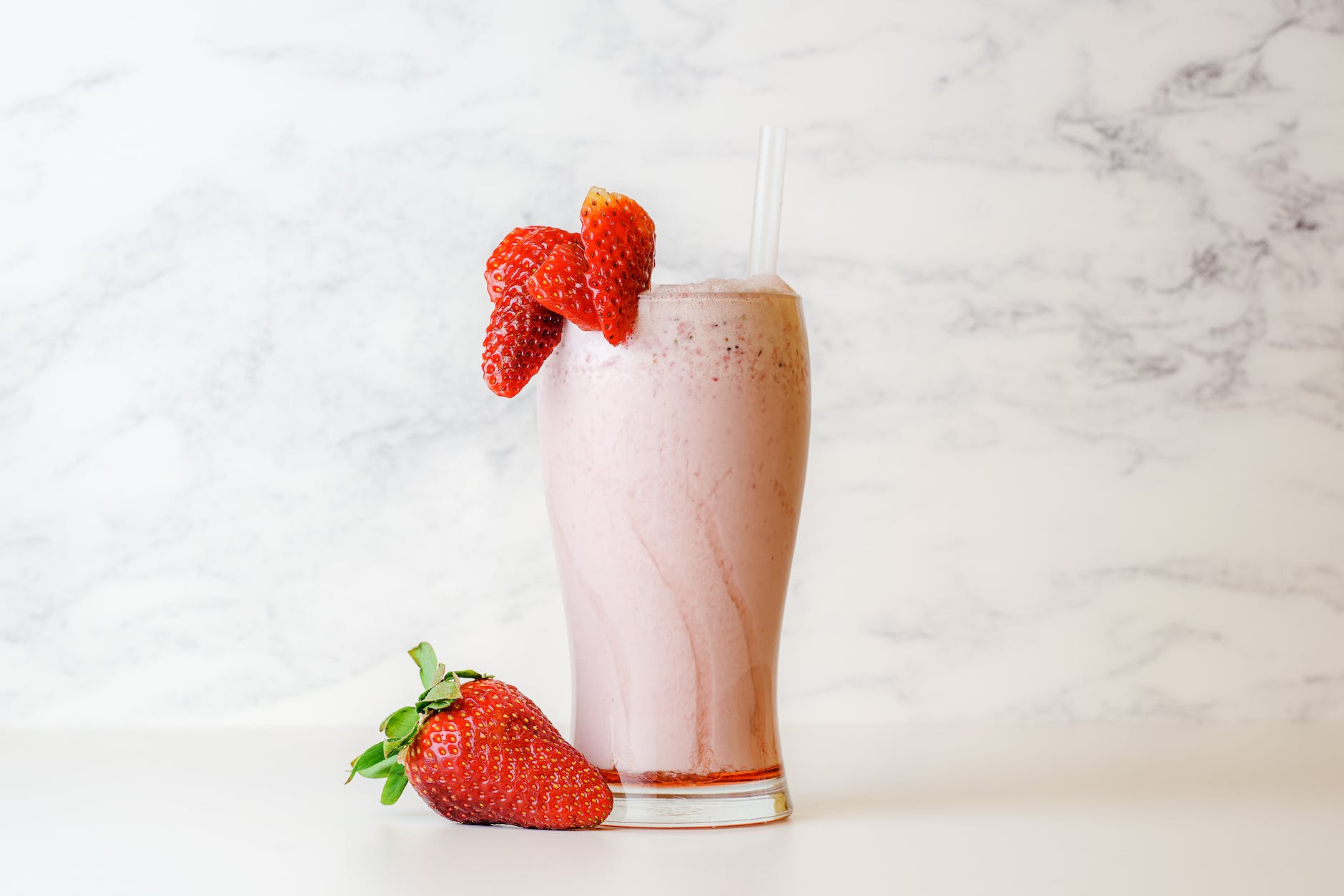
- Build a Smoothie for Gastroparesis:
Step 1: Pick your fruit (select 2 or double the amount of 1)
½ banana, frozen
¼ cup frozen blueberries
4 frozen strawberries
½ cup frozen peaches
Step 2: Add a protein
2 Tbsp. PB2 powder or 1 Tbsp. smooth peanut butter
4oz. plain Greek yogurt
4oz. plain low fat kefir
1 serving whey protein isolate powder or collagen powder (unflavored)
Step 3: Add a veggie
small handful of spinach leaves
1/4 cup frozen riced veggie (cauliflower, broccoli, zucchini, carrots)
Step 4: Add a flavor enhancer
½ tsp. vanilla or almond extract
2 tsp. cocoa powder
1 tsp. cinnamon
1 tsp. pure maple syrup or honey
Step 5: Blend it together with a creamy base
¼ – ½ cup milk of choice (cow, coconut, almond, lactose free)
Managing and improving gastroparesis or gastroparesis-like symptoms is best done with a health care team that can provide individualized recommendations. Check out the Services tab or email me at chelsey@kupernutrition.com to learn more about how I can help you in your healing journey.
 Kuper Nutrition