Constipation is uncomfortable. Symptoms such as bloating, cramping, excess gas, nausea, decreased appetite, fullness, heartburn, reflux and others related to the reabsorption of toxins that are trying to be eliminated can often be present with constipation. (Keep reading, there’s good news and a lot of great information and tools in this post!)
Constipation is a condition in which bowel movements are infrequent (fewer than 3 times per week, although it is ideal to have at least 1 bowel movement per day) and/or difficult to pass (hard/dry/lumpy stool, sense of incomplete emptying, straining to have a bowel movement). There are specific criteria that your doctor can use to make a diagnosis.
The estimated prevalence of constipation in North America is 12-19%. That’s a lot of people! There are many medical conditions and medications that can increase your risk of having constipation. If you struggle with constipation, I highly recommend you work with your healthcare team (or find a healthcare team)(doctor, gastroenterologist, dietitian, physical therapist, psychologist, chiropractor, etc.) to find the right treatment for you, because it can look different for each individual.
The great news is that you can experience improvement in and/or elimination of your constipation symptoms! This post will focus on the food, fluid, and lifestyle components that can help prevent/ease constipation. Let’s do this!
Some of the Food, Fluid, Supplement, and Lifestyle Contributors of Constipation
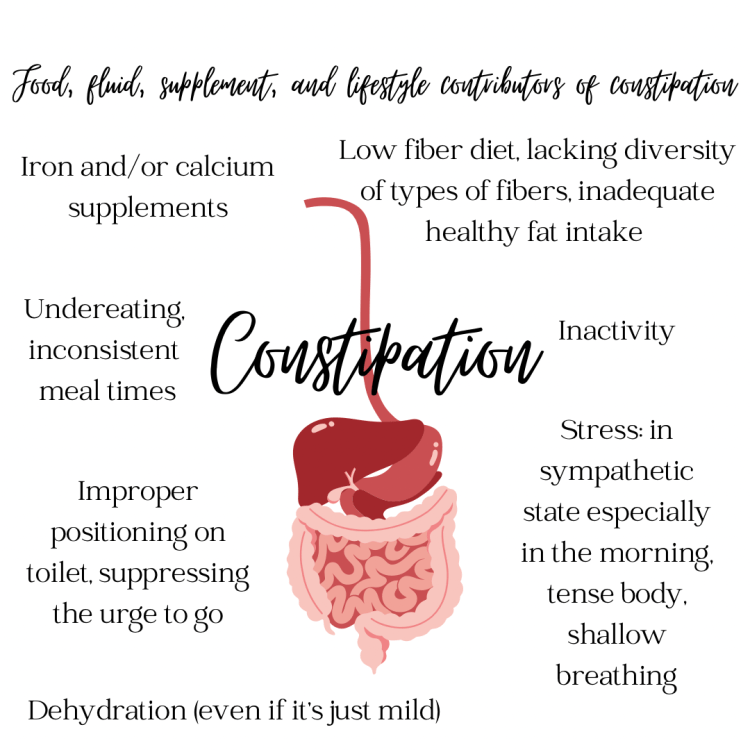
- Low fiber diet (<20 grams per day) (fiber is essential to add bulk to stool)
- Lacking diversity of types of fibers (a variety of fibers create a healthy gut environment and help support proper functioning)
- Inadequate healthy fat intake (fat can help lubricate stool)
- Under eating (could contribute to inadequate bulk and slowed movement throughout GI tract)
- Inconsistent meal times (throws your body’s rhythm off; may miss the gastrocolic reflex)
- Dehydration (even if its just mild)(your colon is great at pulling water out, with inadequate fluid intake, hard dry stool is formed and difficult to eliminate)
- Iron and Calcium supplements (these don’t cause an issue for everyone; check with your doctor about dosing)
- Inactivity (by moving (jostling the organs) we encourage movement of food down (gravity) through the GI tract.)
- Stress (in a sympathetic state, especially in the morning, tense body, shallow breathing. Your body needs to be relaxed to have a bowel movement)
- Improper positioning on toilet (When you sit at a 90 degree angle on the toilet, your puborectalis muscle which wraps around your rectum, seals it off; this can result in straining to have a bowel movement)
- Suppressing the urge to go (If you don’t stop to take the time to go, you won’t go)
Foods That Can Help Improve Constipation
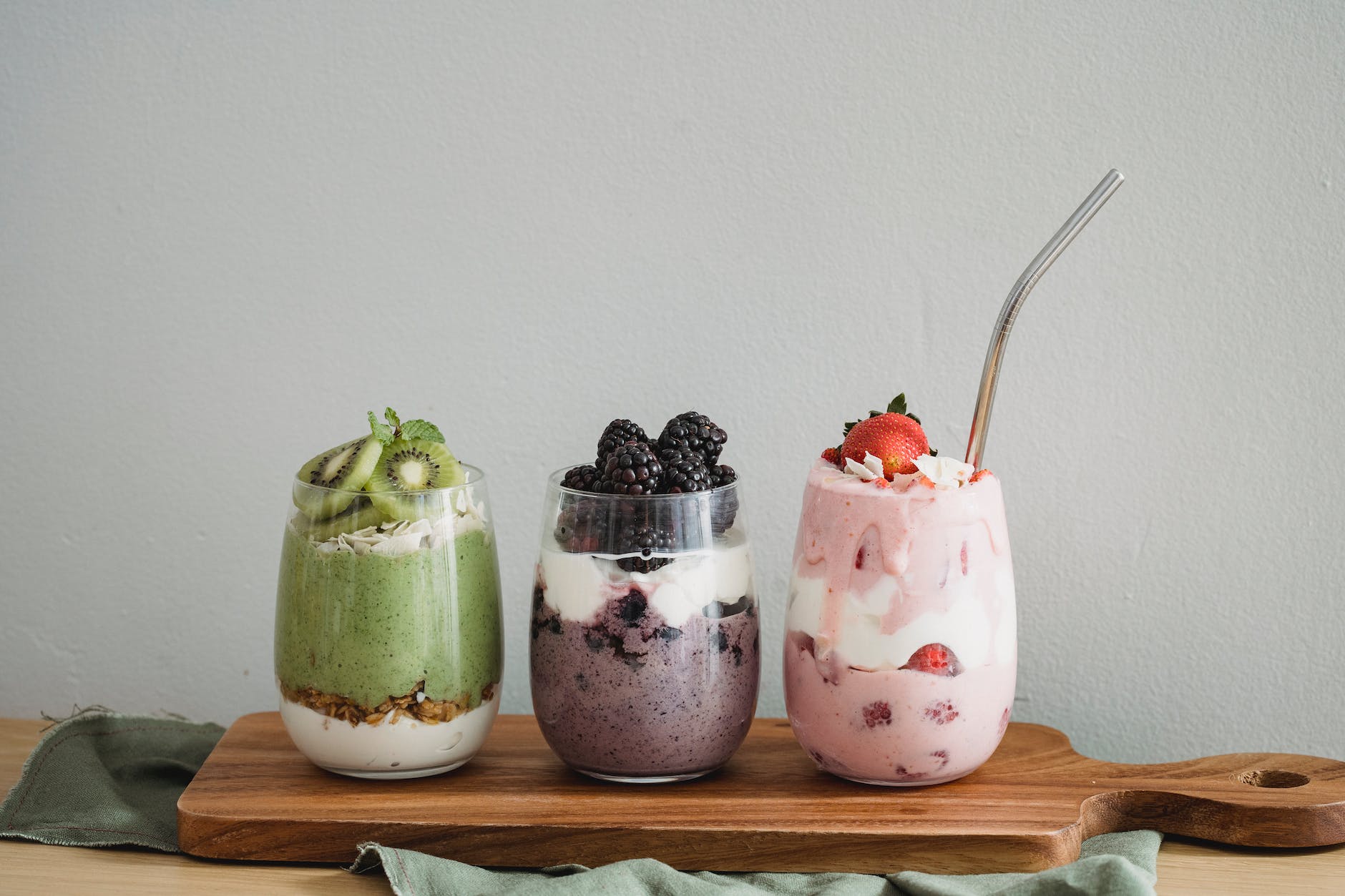
A nutrient poor, low diversity diet is linked to constipation. Below are nutrient dense foods that have research to support improvement in constipation for many individuals!
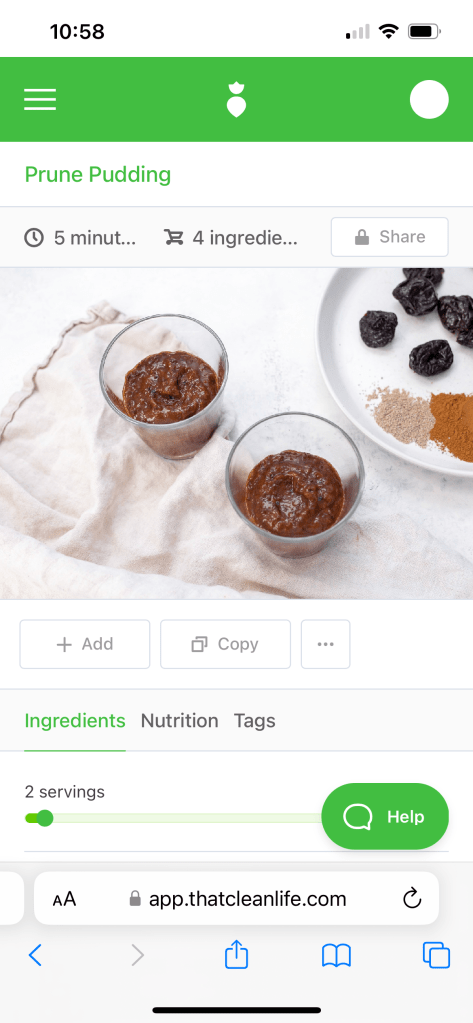
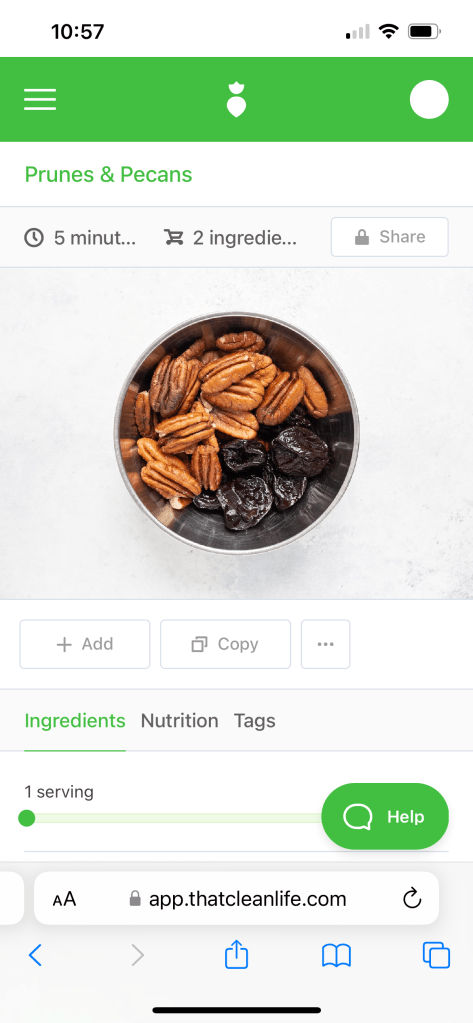
- Prunes (dried plums): May need 2-6 prunes daily or 1/2 cup of prune juice to see effectiveness. Enjoy as is; chop and add to oatmeal, yogurt bowl or smoothies; add to protein ball recipe; dip into a nut butter.
- Kiwi: May need 2 small or 1 large daily to see effectiveness. Kiwis are nutrient packed: fiber, vitamin C, E, K; potassium; folate; phytochemicals. Enjoy as is (skin on or off)(sliced or scooped), add to yogurt bowl or smoothie, chop into a fruit salad.
- Yogurt: May need 1/2 to 1 cup per day for effectiveness. Make sure the yogurt has live active cultures including lactobacillus and Bifidobacterium. No to low sugar added options are best. Add your own fruit and nuts/seeds; use as a dip for fresh fruit slices; add to a smoothie; make yogurt freezer pops.
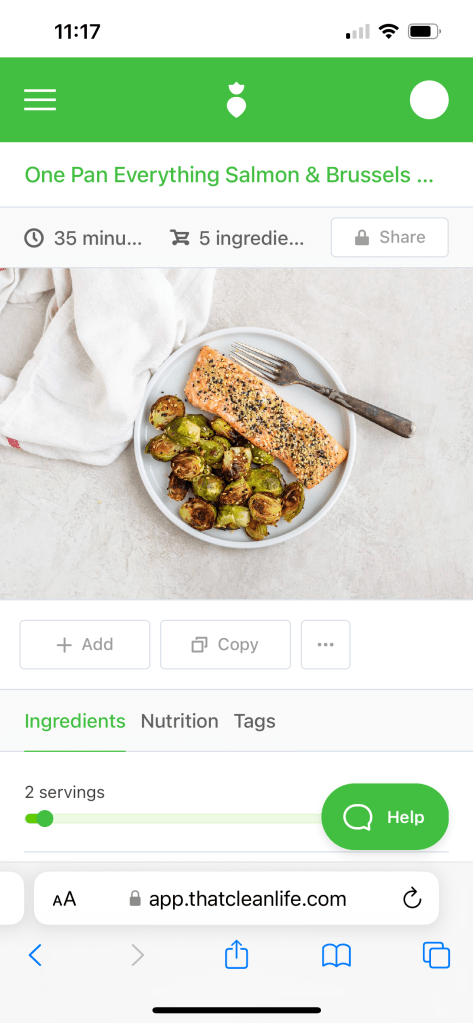
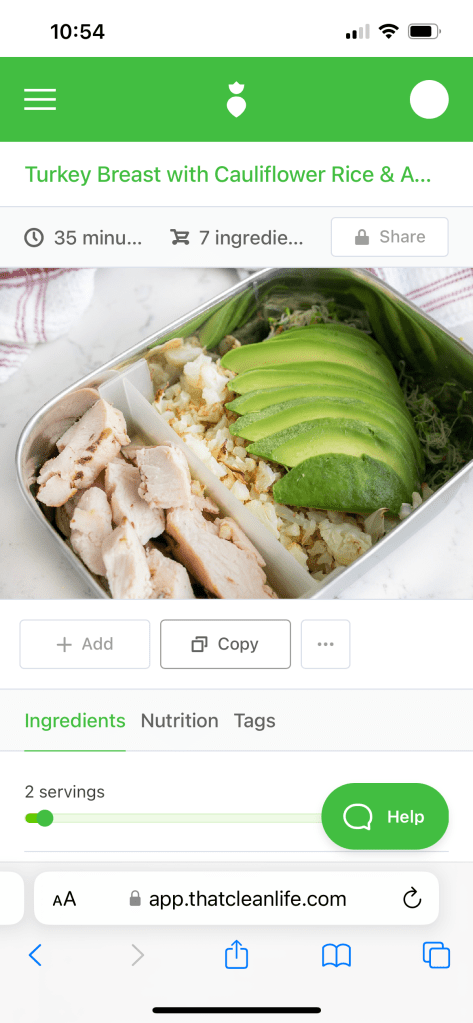
- Olive oil: 1 tsp. per day may alleviate constipation by lubricating the colon and softening stool. Use with cooking; drizzle extra virgin olive oil over cooked veggies, a salad, soup, chicken or salmon.
- Flaxseed/Chia seed: 1-3 tablespoons per day may help bulk stool and decrease transit time. (incorporate and increase slowly and add additional water.) Add to oatmeal, smoothies, yogurt, homemade muffins and bars or make chia pudding.
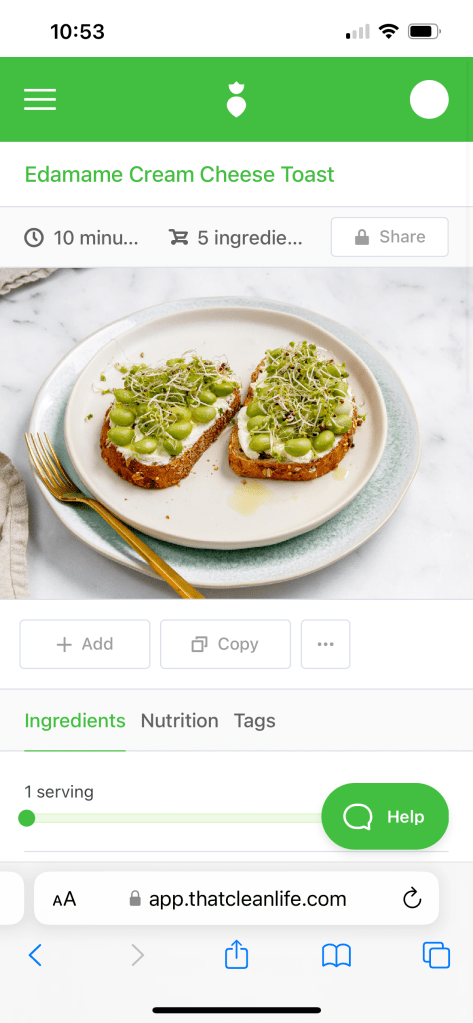
- Broccoli Sprouts: One of the best sources sulforaphane, a phytochemical, and thought to protect the intestines from oxidative stress, improving constipation symptoms. Top on avocado toast, add to a wrap, or throw into a smoothie.
*Lot’s of meal and snack ideas to incorporate these foods below!
Beverages That Can Help Improve Constipation

Fluid intake and dehydration have been linked with higher rates of constipation. For most individuals, an average fluid intake between 7-9 cups per day is adequate (needs vary based on the individual person, activity level, health status, etc.). Plus, check your urine. It should be clear to pale yellow.
Fluids and fiber work together. Fiber without adequate fluids won’t improve constipation. Extra fluids without adequate fiber won’t improve constipation. Fiber supplements (psyllium…) require an extra cup or two of fluids.
Types of beverages:
- Water should contribute to most of your daily fluid intake.
- Coffee (regular or decaf) can help stimulate a bowel movement due to several factors (partially due to caffeine effects; partially due to stimulation of gastrin which stimulates digestion; and then there is the gastrocolic reflex, especially in the morning.)
- Warm water with lemon has some evidence but more research is needed. The effects may be due to hydration plus gastrocolic reflex.
- Electrolyte beverage (has extra potassium, sodium, magnesium) Helps enhance the body’s hydration. Magnesium in particular plays a role in digestive functioning and muscle relaxation. Extra electrolytes aren’t for everyone though so check with your doctor and dietitian.
Lifestyle Tips for Constipation

- Meal timing and the gastrocolic reflex: The gastrocolic reflex is a physiological reflex that controls motility of the lower GI tract following a meal (mind/body communication to make room for more food). It’s most active in the morning (1-2 hours from waking) and shortly after meals. Making the daily routine of eating breakfast and using the toilet shortly after can be one tool to help improve your constipation.
- Potty stool (squatty potty) and proper positioning on the toilet: With feet on the stool, knees are raised above hips; have a straight spine with a slight lean forward; relax belly and take a few calming breaths. Proper positioning helps straighten the rectoanal canal by relaxing the puborectalis muscle, which reduces the need to push or strain to have a bowel movement. https://www.squattypotty.com/?utm_source=Google&utm_medium=cpc&utm_campaign=Brand&gclid=Cj0KCQjw39uYBhCLARIsAD_SzMQaJA105yndWuAP1absx3uWaDZUvuO-6k_zQDP3E4pKzIylcfbkS7saAthlEALw_wcB
- Daily movement/exercise like walking can improve symptoms of constipation (jostling the organs can help speed intestinal transit time) plus has so many other health benefits. Start with just 10 minutes and work up from there.
- Gentle abdominal massage and diaphragmatic breathing can help aid movement through the colon. Check out this link for an abdominal massage guide: https://www.bidmc.org/-/media/files/beth-israel-org/centers-and-departments/rehabilitation-services/otpt-pelvic-floor-abdominal-massage.pdf
- There are several yoga positions and movements great for aiding digestion and helping constipation. Here are a couple…
- 15 minute yoga video for better digestion https://www.youtube.com/watch?v=tvVHL0eU13M
- 30 minute yoga for digestion https://www.youtube.com/watch?v=VHn7UtNe1-g
Meal and Snack Ideas and Recipes
Below are some great visuals to help get you thinking of a diverse way to incorporate the recommended foods above for constipation. For access to all of the below recipes and more, send a request for “Improve Constipation Meal and Snack Ideas and Recipes” to my email: chelsey@kupernutrition.com or send a message to kupernutrition on Facebook or Instagram for FREE! Each recipe comes with detailed instructions and ingredients, nutrition facts, and tips and modifications. You will receive an email with a pdf version of all the recipes in 1 spot. The recipes I chose use few but powerful ingredients, are easy to make, and delicious. Share this post with someone else you know, so they can get access too!
Check out the ideas below for a few simple ways to enjoy prunes!

Below are great ways to incorporate kiwi into your life!
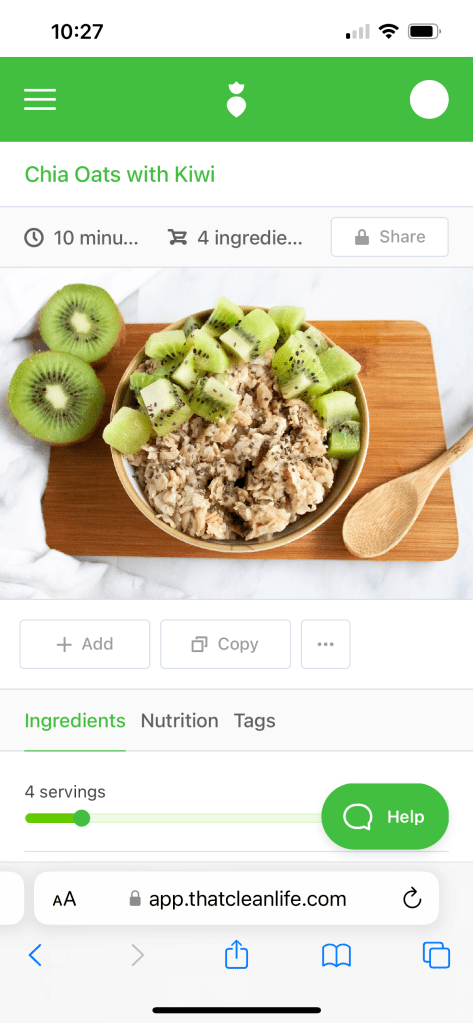
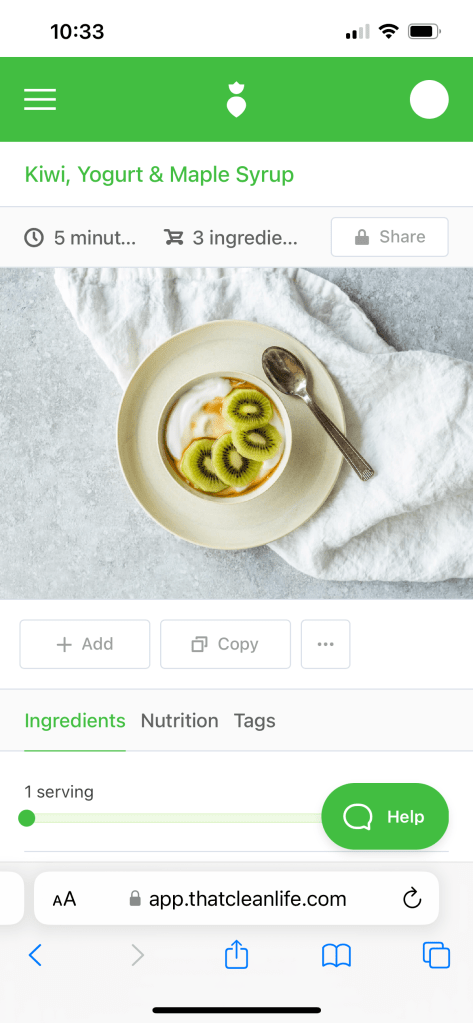

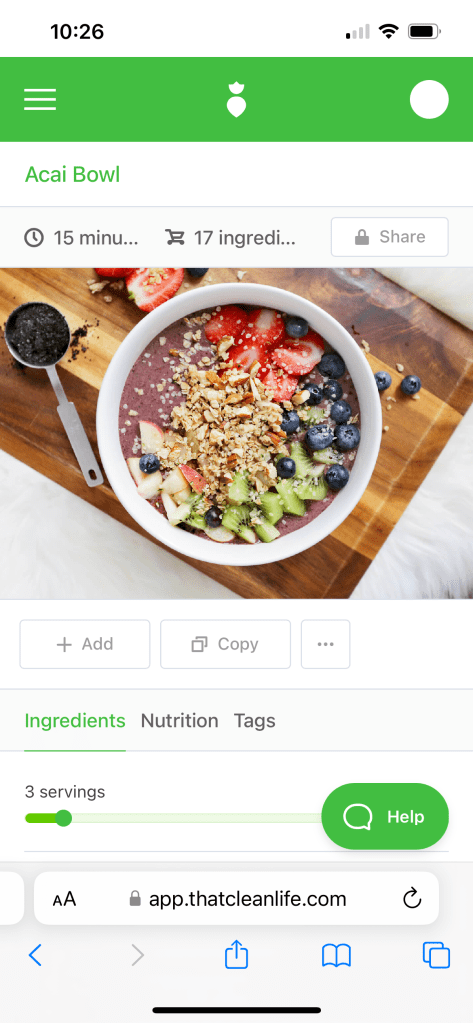
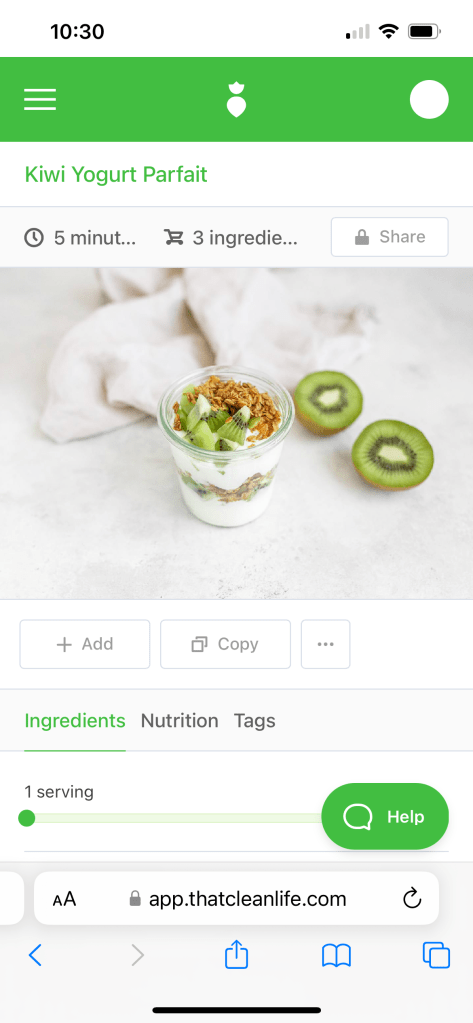
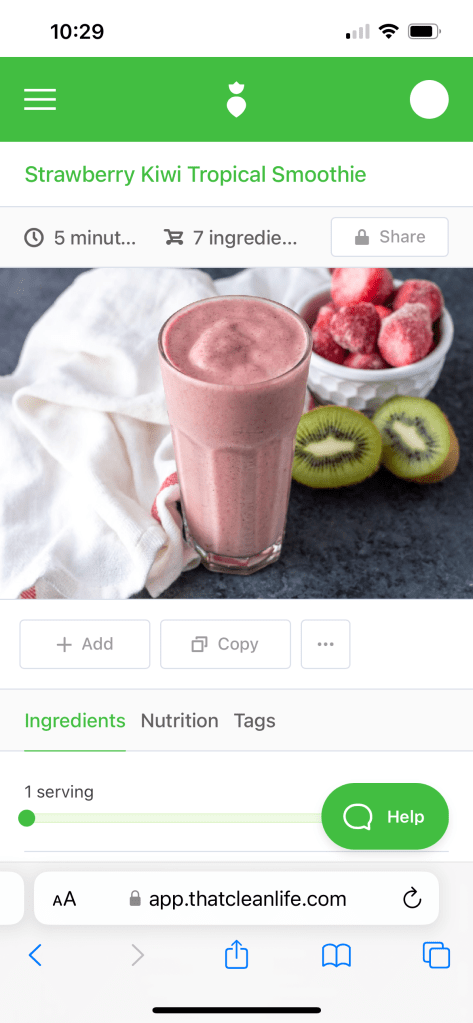
Additional yogurt, flax ,and chia ideas!

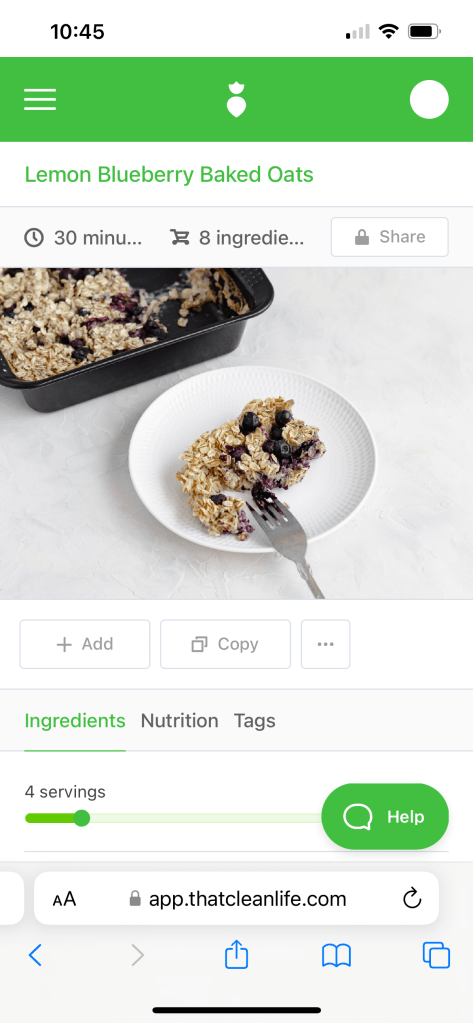

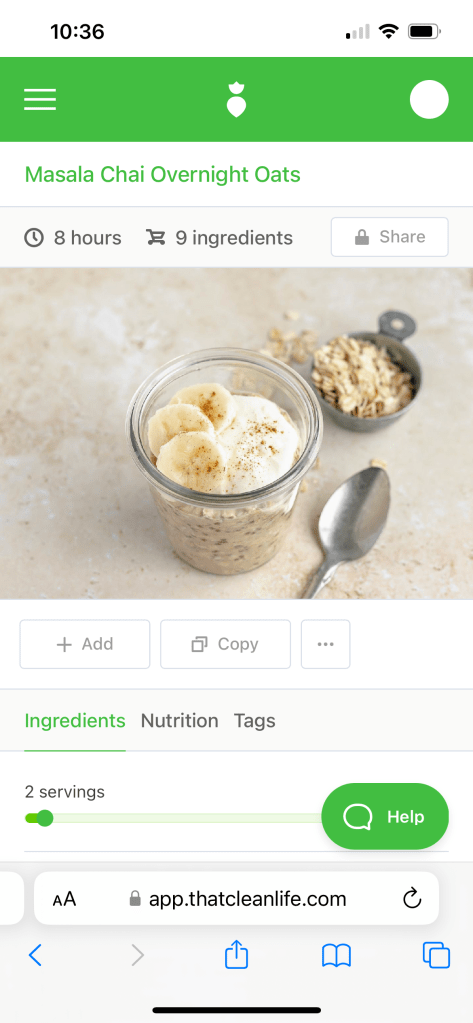

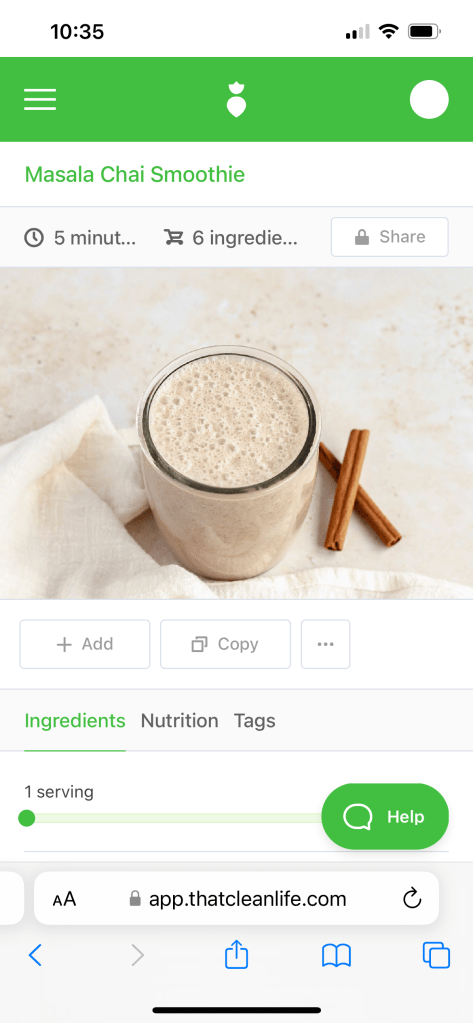
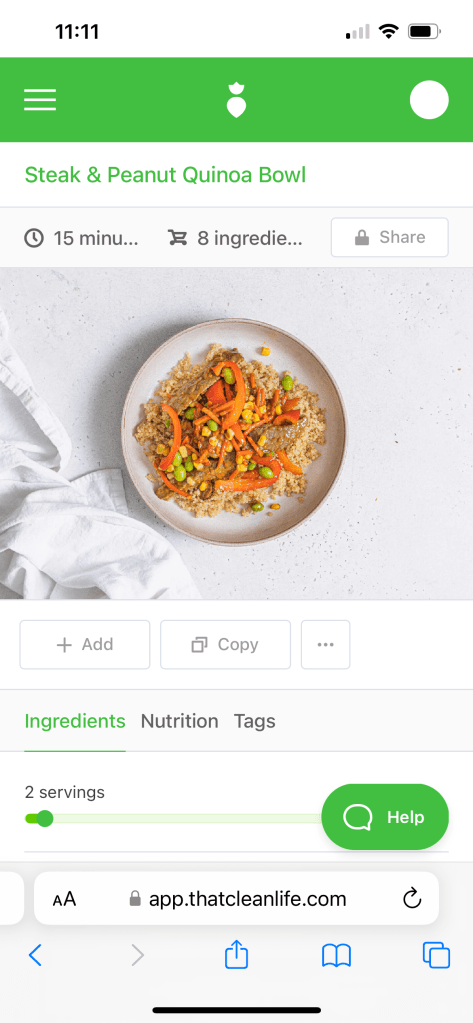
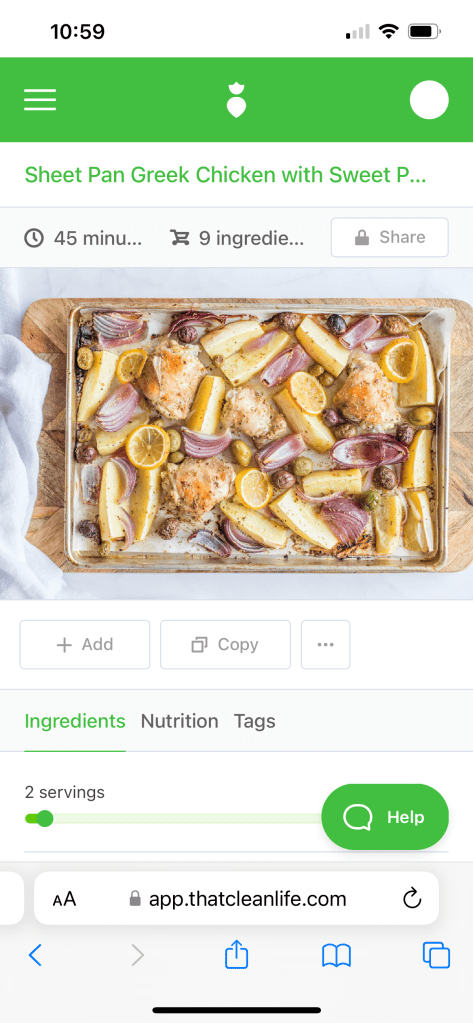
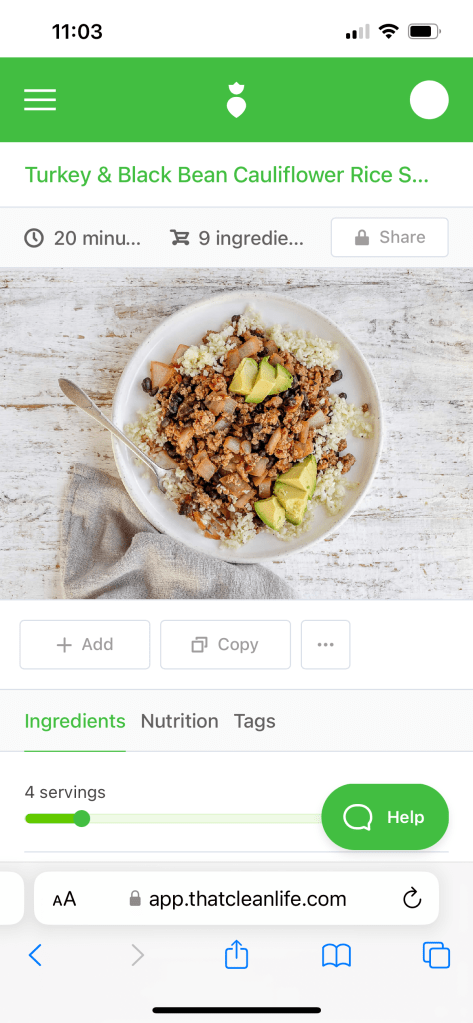
Healthy high fiber and protein rich meals to drizzle a little extra olive oil over!
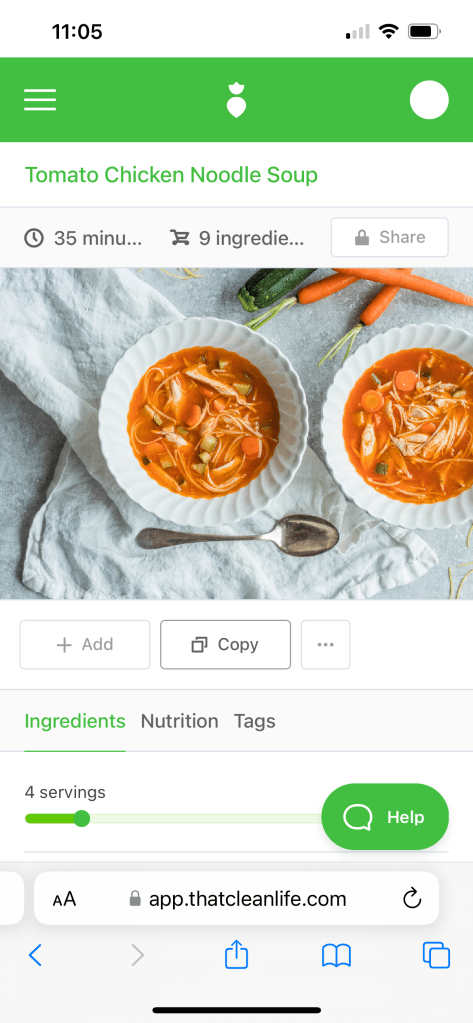
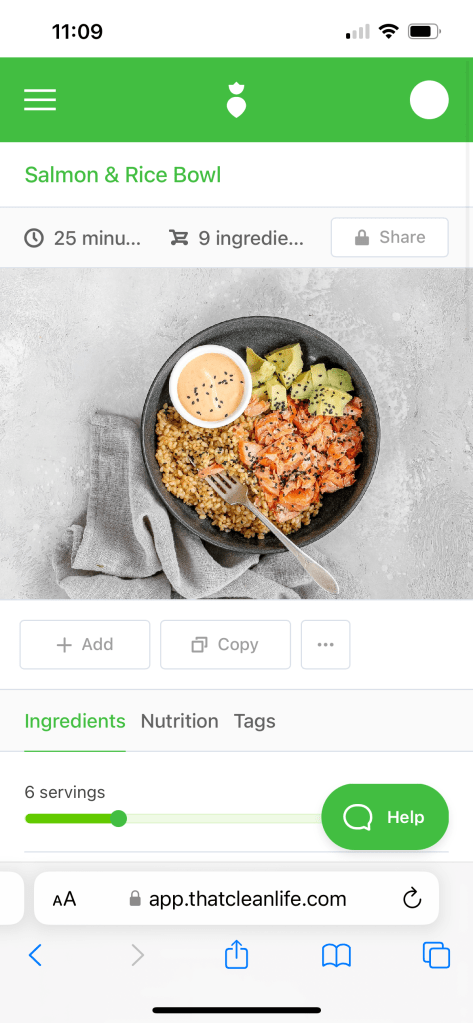
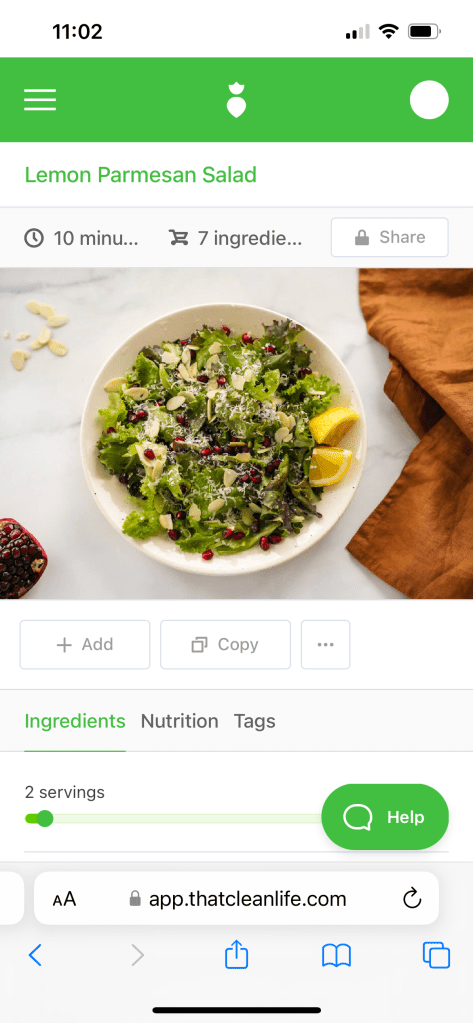
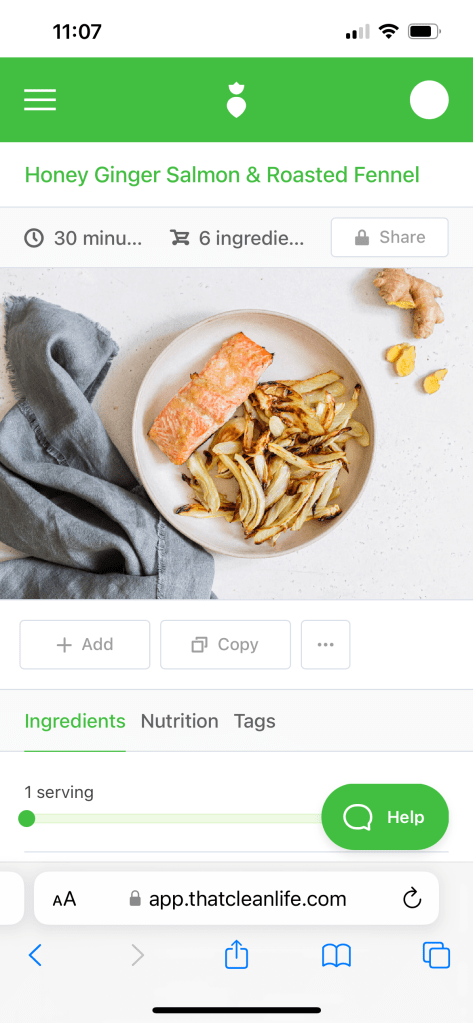
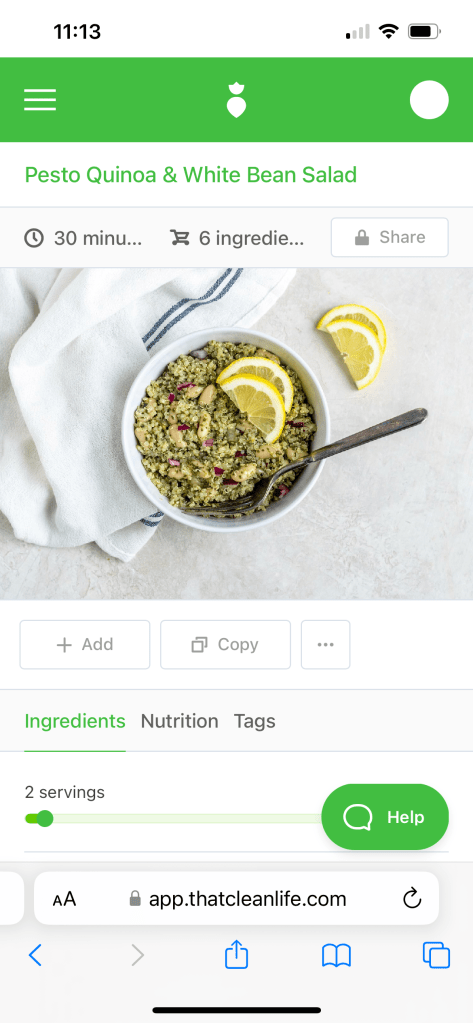
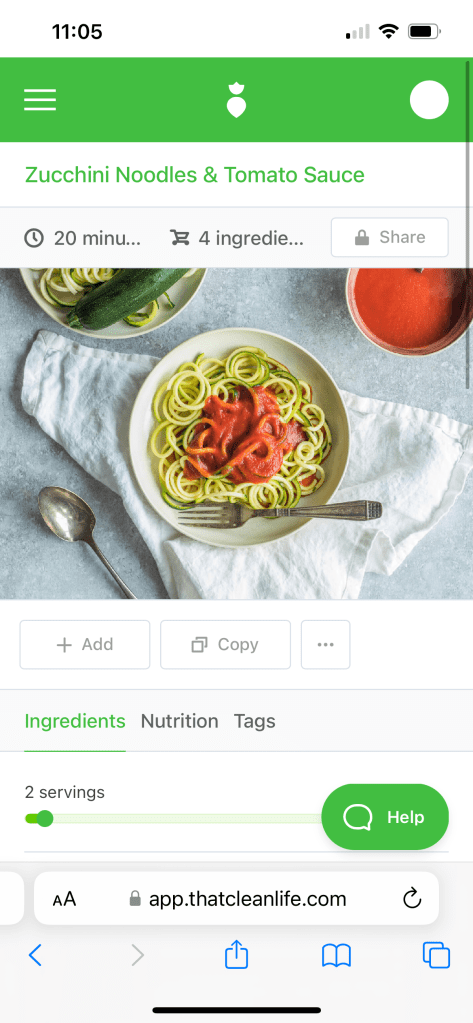
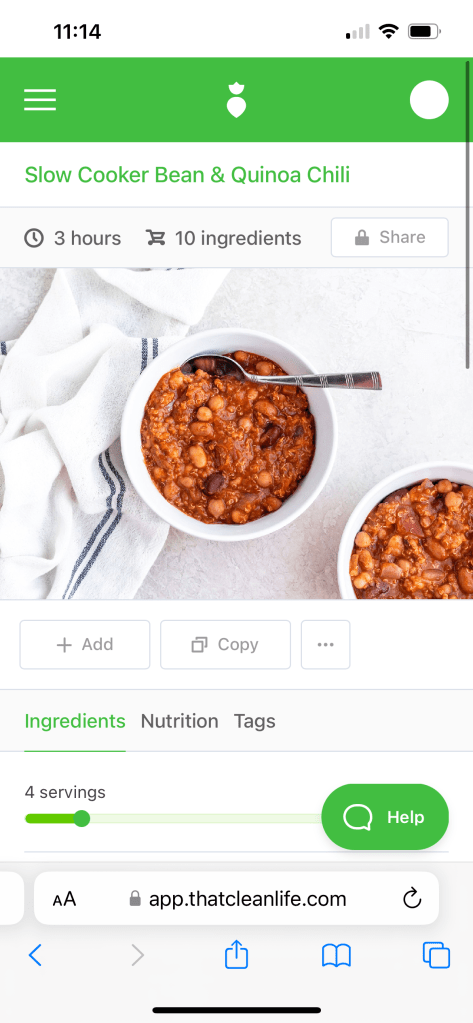
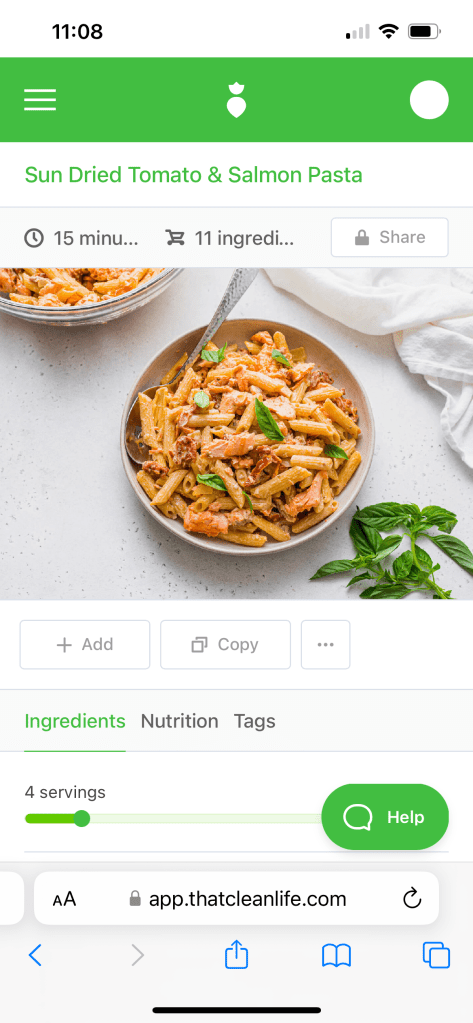
A couple broccoli sprout ideas for you! (plus you can add to any smoothie!)
 Kuper Nutrition